Direct answer: an online store in Mexico needs a dedicated server when it processes more than 500–800 daily orders, hits resource ceilings on shared or VPS hosting during traffic spikes, or stores payment data that requires full physical isolation. For most small and mid-size stores, a well-configured VPS is enough.
This guide helps you pinpoint the exact moment when the investment in a dedicated server pays off — and avoid paying for infrastructure you don't yet need.
What a Dedicated Server Is and How It Differs from a VPS
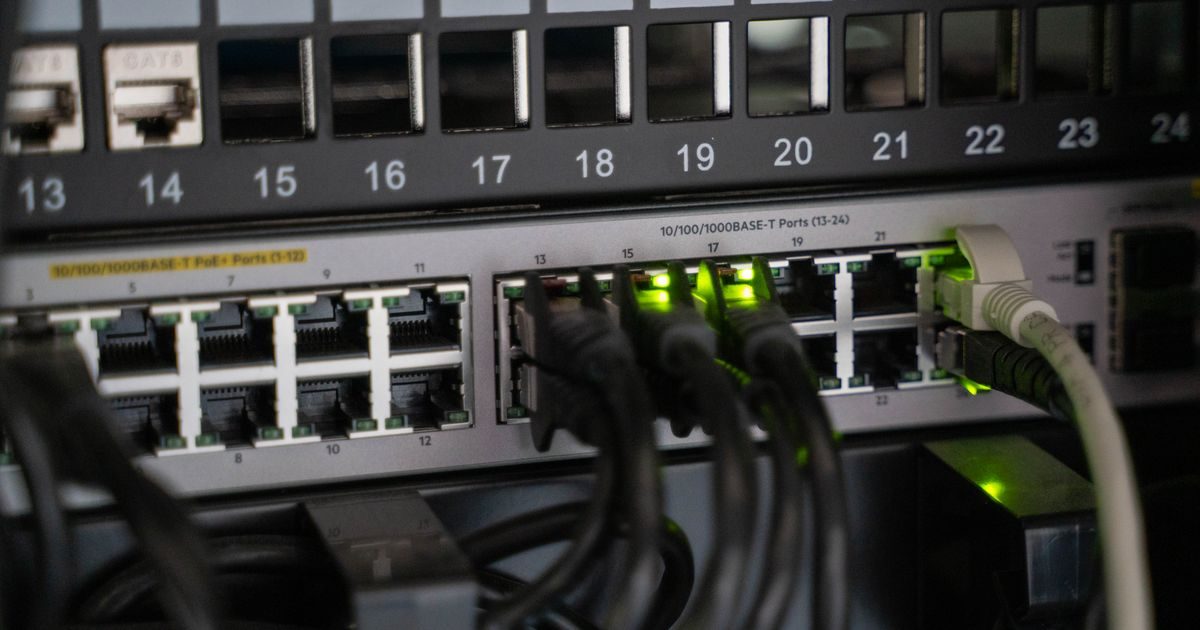
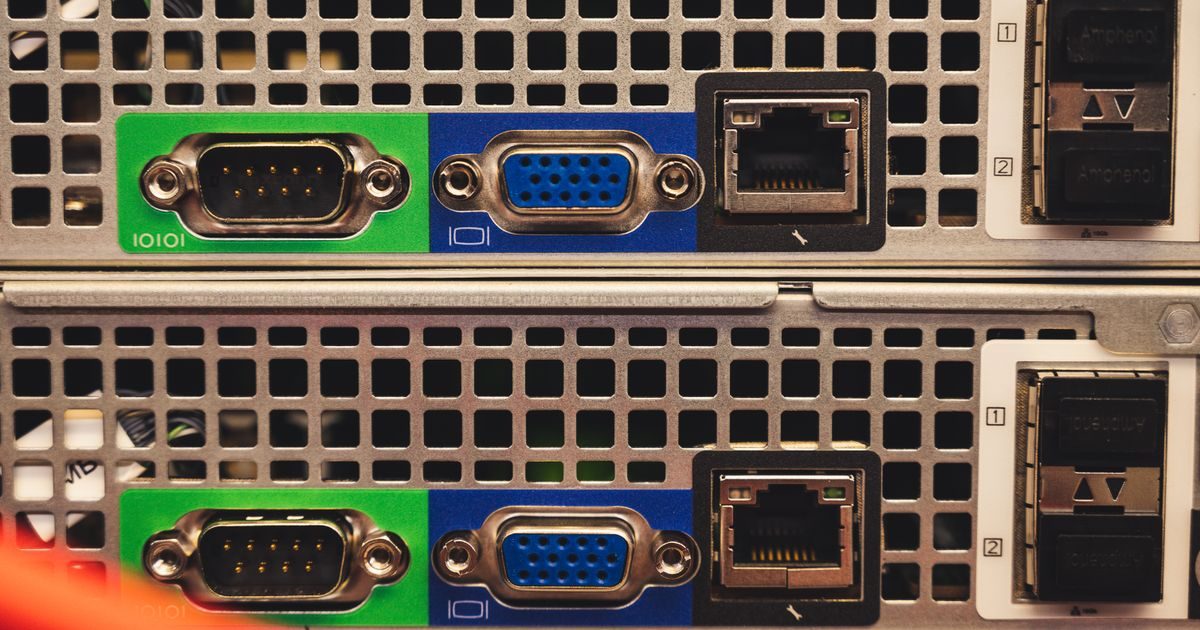
A dedicated server is an entire physical machine you rent for exclusive use. You share no CPU, RAM, disk, or bandwidth with any other customer of the provider.
A VPS, by contrast, is a virtual partition of a shared physical server: you get guaranteed resources, but the same machine hosts other customers under a hypervisor.
The practical difference for e-commerce:
- Predictable performance: on a dedicated server there are no noisy neighbors. Another company's Black Friday traffic doesn't affect you.
- Full security isolation: ideal if you handle card data or need compliance certifications.
- Unrestricted configuration: install any OS, database, or cache engine without asking provider permission.
Signs Your Online Store Already Needs a Dedicated Server
There's no single universal threshold, but these are the most reliable signals:
Traffic and transaction volume
- More than 500–800 daily orders with significant spikes during seasonal promotions.
- Your store records more than 50,000 monthly visits with heavy product pages (high-res images, variants, reviews).
- Response times during peak hours exceed 2–3 seconds, even though your VPS is maxed out on resources.
Compliance and security requirements
- You process card payments directly (without an external gateway) and need to meet PCI DSS: physical isolation vastly simplifies the audit scope.
- You store sensitive customer data that internal policy or regulation requires to be isolated on dedicated hardware.
Specific technical requirements
- You need to run Elasticsearch or Solr for internal search, Redis for session caching, and MariaDB on the same server without competing for RAM with other tenants.
- Your stack requires a custom kernel, specific security modules, or configurations the shared hypervisor doesn't allow.
What a Dedicated Server Costs in Mexico
Prices vary by provider (local vs. US datacenter with Mexico presence), hardware generation, and whether the server is managed or unmanaged.
| Profile | CPU | RAM | Storage | Approx. price (USD/mo) |
|---|---|---|---|---|
| Entry | 4 cores | 16 GB | 500 GB SSD | $125 – $200 |
| Mid-range | 8 cores | 32 GB | 1 TB NVMe SSD | $225 – $400 |
| High performance | 16+ cores | 64-128 GB | 2 TB NVMe + backup | $450 – $900 |
| Managed (any profile) | — | — | — | +$75 – $175 extra |
Compare those numbers against the operational cost of your store going down for two hours during peak season. For many Mexican businesses, a dedicated server becomes insurance, not a luxury.
Alternatives Before Making the Jump to a Dedicated Server
A dedicated server is expensive and requires planning. Before committing, consider these intermediate options:
High-performance VPS
Providers like DigitalOcean, Hetzner, or Linode offer VPS instances with 8–16 vCPU and 32–64 GB RAM for a fraction of a dedicated server's cost. For many mid-size stores, this is enough for another 1–2 years of growth.
Horizontal scaling with load balancing
Instead of one large server, two mid-range VPS instances behind a load balancer (HAProxy, Nginx) provide redundancy and higher total capacity. This architecture also eliminates single points of failure.
CDN with aggressive caching
Deploying Cloudflare or an equivalent CDN with page-level caching can absorb 60–80% of your traffic before it ever reaches the origin server. Many stores don't need a dedicated server — they need a better caching strategy.
To explore which infrastructure configuration fits your current volume, check out the VPS and dedicated server guide on our blog.
Latency and Datacenters: The Mexico Factor
The physical location of your server matters for both SEO and conversion. Google measures TTFB (Time to First Byte) and load speed affects rankings.
For a store that sells primarily in Mexico:
- A datacenter in Mexico or Texas (Dallas, Houston) delivers 15–40 ms latency from Mexico's major cities.
- A server in Europe or Asia adds 150–200 ms of baseline latency, hurting user experience and conversion rates.
- If your store serves both US and Mexican customers, consider a CDN with nodes in both countries combined with an origin server in the region with the highest sales volume.
At elenlace.com you'll find infrastructure options oriented toward the Mexican market, with Spanish-language support and local billing.
Key Takeaways
- A dedicated server pays off when your store exceeds 500–800 daily orders, needs PCI DSS compliance, or VPS resources are exhausted at peak traffic.
- Monthly costs in Mexico range from roughly $125 to $900 USD depending on the profile; factor in management costs if you don't have an in-house technical team.
- Before committing to a dedicated server, exhaust intermediate options: high-performance VPS, horizontal scaling, and CDN with aggressive caching.
- Datacenter location directly affects latency for Mexican customers: prefer servers in Mexico or Texas.
- Managed dedicated servers reduce operational burden and are the right choice if your team lacks production-level Linux administration experience.
Has your store outgrown its current hosting? Talk to the team at elenlace.com to find the dedicated server or VPS architecture your e-commerce business needs to grow without interruptions.
FAQ
Does a dedicated server guarantee 100% uptime for my store?
No hosting type guarantees 100% uptime. A dedicated server eliminates noisy-neighbor risk, but physical hardware can still fail. For maximum availability, pair a dedicated server with storage redundancy (RAID) and a failover or cloud backup plan.
Do I need a sysadmin to run a dedicated server?
Yes, unless you contract a managed dedicated server. OS configuration, security patching, server hardening, and monitoring require Linux skills well beyond cPanel. The cost of a managed dedicated server is usually far less than hiring a full-time sysadmin for a mid-size store.
How long does it take to get a dedicated server ready?
Catalog dedicated servers (standard preconfigured hardware) are typically provisioned in 24–72 hours. Custom builds with specific hardware can take 5–10 business days. Plan the migration with plenty of lead time and avoid scheduling it around peak commercial dates.
Can an NVMe VPS be as fast as a dedicated server for my store?
For stores with up to 300–400 daily orders, a well-optimized NVMe VPS (caching, tuned PHP-FPM, indexed SQL queries) can match or outperform a poorly configured dedicated server. The dedicated server makes the real difference once VPS optimization options are exhausted and actual transaction volume justifies the cost.
Further reading
Other providers and guides worth comparing: