A dedicated server gives you maximum performance and full hardware control, but it comes with higher cost and greater technical responsibility than a VPS. The real question is not whether dedicated servers are good — it is whether one is the right fit for your specific situation.
This guide takes an honest look at every advantage and disadvantage of a dedicated server, and gives you the criteria to know when it is truly worth the investment.
What is a dedicated server?
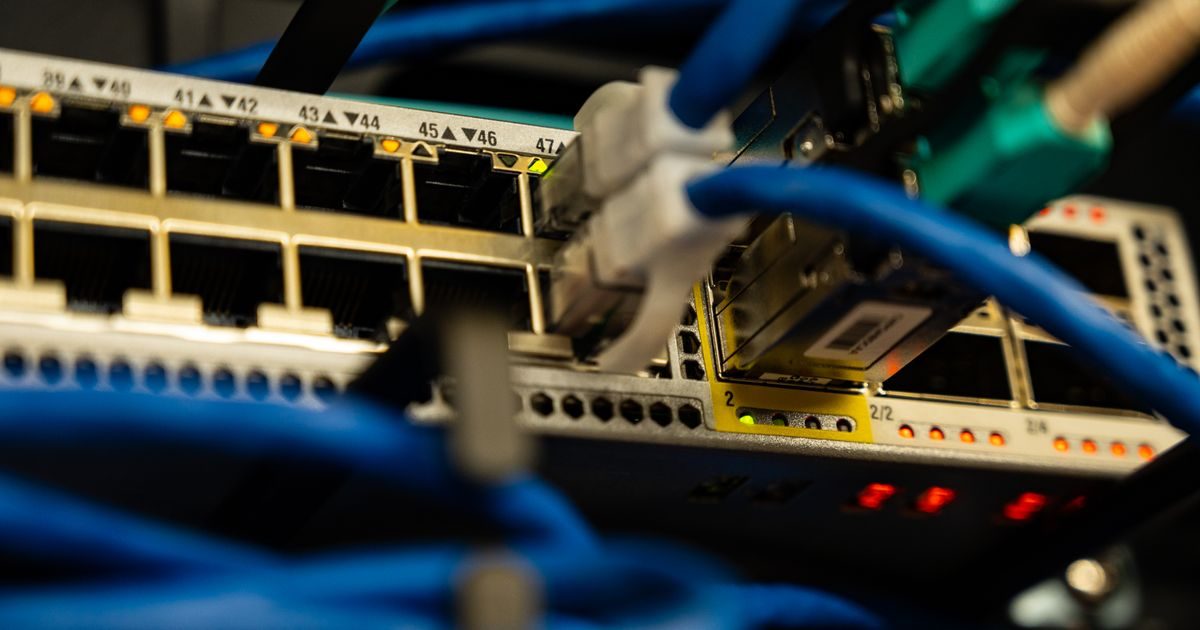
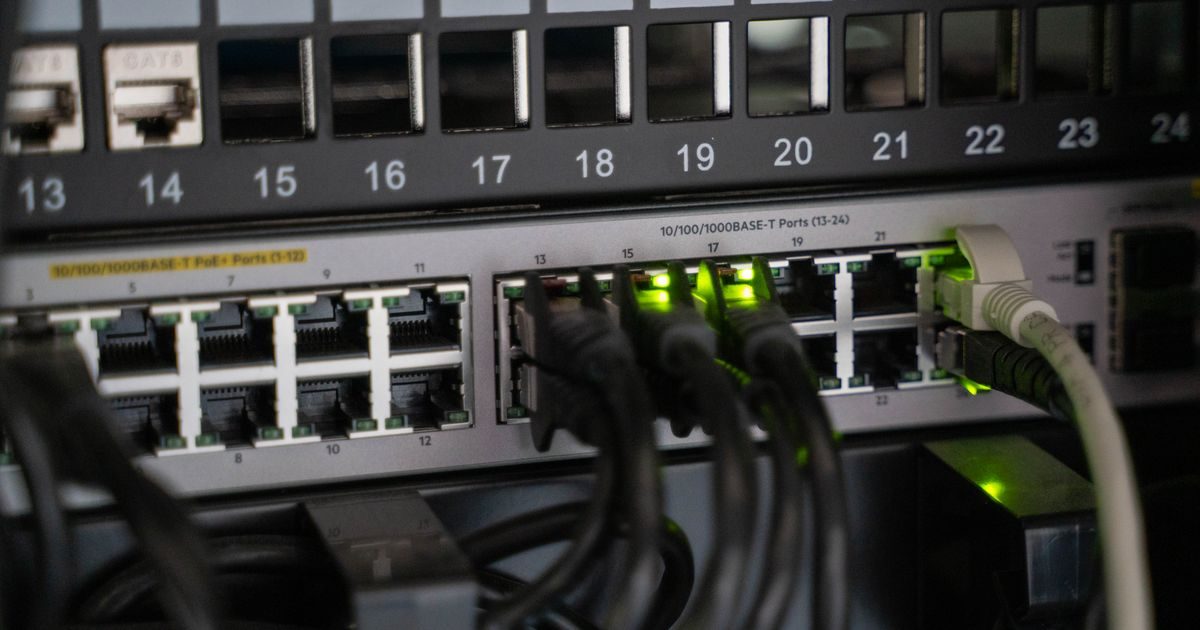
A dedicated server is a physical server you rent exclusively: the provider assigns you a real machine (or a rack of machines) that no other customer uses. There is no mandatory virtualization, no shared resources, and you have full access to the hardware.
It sits immediately above VPS hosting on the ladder of dedicated resources and raw performance.
Advantages of a dedicated server
1. Performance with no noisy neighbors
On shared hosting or a VPS, other users consume part of the physical server's resources. On a dedicated server, every CPU cycle, every byte of RAM, and every disk operation are exclusively yours. The result is predictable latency and consistent response times even under heavy load.
2. 100% guaranteed resources
There is no overbooking. If the server has 64 GB of RAM and 32 cores, you use 64 GB and 32 cores — no negotiation. VPS providers sometimes allocate more virtual resources than they have physical capacity for; dedicated hosting does not work that way.
3. Full environment control
- Choose the exact operating system and version.
- Install custom kernels or specific modules.
- Configure the network at the hardware level (bonding, VLANs, DPDK).
- Decide what software runs on the machine and what does not.
4. Greater security and physical isolation
There is no risk of hypervisor vulnerabilities exposing your environment to another tenant. For regulated industries (finance, healthcare, government) physical isolation may be a hard compliance requirement, not an option.
5. Better cost-to-performance ratio at scale
When your resource needs are very high, a dedicated server can be cheaper than multiple equivalent cloud instances. The economics invert at a certain scale: cloud is cheaper small, dedicated is more efficient large.
Disadvantages of a dedicated server
1. High fixed cost
You pay that figure whether you use 20% or 100% of the server's resources. The cloud charges you for what you consume; dedicated charges you for what you have provisioned.
| Server type | Approx. monthly cost (MXN) | Typical specs |
|---|---|---|
| Basic VPS | $300–$800 | 2 vCPU, 4 GB RAM, 80 GB SSD |
| Advanced VPS | $800–$2,500 | 8 vCPU, 16 GB RAM, 200 GB SSD |
| Entry dedicated | $3,000–$5,000 | 4–8 physical cores, 32 GB RAM, 500 GB SSD |
| Mid-range dedicated | $5,000–$12,000 | 16–32 cores, 64–128 GB RAM, 2+ TB NVMe |
2. Slow scalability
If you need more RAM or more storage, someone has to physically open the server and install the hardware. That can take hours or days. Cloud scales in seconds; dedicated does not.
3. Full technical responsibility (unmanaged model)
Without a SysOps team, an unmanaged dedicated server is a burden. You handle:
- Operating system updates and security patches.
- Firewall configuration and maintenance.
- Resource monitoring and alerting.
- Backups and disaster recovery planning.
4. No automatic high availability
If the hardware fails, your service goes down. The provider will replace the component, but that downtime is real. In cloud or distributed architectures, traffic is automatically rerouted to another instance. On a single dedicated server, there is no redundancy unless you build it explicitly.
5. Longer provisioning time
Provisioning a new dedicated server takes minutes to hours depending on the provider. Launching a new cloud instance takes seconds. For projects that need to grow fast or test different configurations, this is a real bottleneck.
When is a dedicated server worth it?
Dedicated hosting makes sense when at least one of these conditions applies:
- High and predictable load: your traffic is consistently high, not just occasional spikes.
- Regulatory compliance requirements: PCI-DSS, HIPAA, or other regulations require physical data isolation.
- Latency-critical applications: online gaming, high-frequency trading, real-time streaming.
- Virtualization-incompatible software: certain database workloads, legacy systems, or per-physical-socket licenses.
- Cost vs. cloud: when the resources you need would cost more on cloud than an equivalent dedicated server.
The team at elenlace.com helps Mexican businesses run this cost-benefit analysis with real data, not assumptions.
Managed vs. unmanaged dedicated servers
This distinction matters as much as the hardware choice itself:
- Unmanaged: the provider maintains the hardware and network; you handle everything else. Maximum control, maximum responsibility. Requires your own technical team.
- Managed: the provider handles the OS, patching, monitoring, and often backups. You reduce the operational burden but pay more and give up some control.
For most Mexican SMBs without dedicated infrastructure staff, the managed model is safer even at higher cost. A poorly maintained unmanaged dedicated server is a liability, not an asset.
Key takeaways
- A dedicated server delivers maximum performance, 100% guaranteed resources, and complete physical isolation.
- Its main drawbacks are high fixed cost, slow scalability, and full technical responsibility in the unmanaged model.
- It is worth it when you have high and predictable loads, compliance requirements, or needs the cloud cannot serve efficiently.
- For most growing projects, an advanced VPS covers the needs with better flexibility and lower cost.
- Managed vs. unmanaged is as important as the hardware itself — evaluate your operational capacity before choosing.
Not sure whether your project genuinely needs a dedicated server or whether a high-performance VPS is enough? Talk to the specialists at elenlace.com and get a recommendation based on your real situation.
FAQ
Is a dedicated server more secure than a VPS?
In terms of physical isolation, yes: there are no hypervisor-level vulnerabilities between tenants. However, operating system, network, and application security is entirely your responsibility. A well-secured VPS can be more secure than a poorly administered dedicated server.
How long does dedicated server provisioning take?
It depends on the provider. Large providers like OVHcloud or Hetzner can have servers ready in 20–60 minutes with stock hardware. Custom configurations or local providers may take 24–72 hours. This is significantly slower than a VPS or cloud instance.
Can I host multiple websites on a single dedicated server?
Yes, absolutely. Many companies install a control panel (cPanel, Plesk, DirectAdmin) on their dedicated server and host dozens or hundreds of domains on it. This is a common solution for reseller hosting providers or digital agencies with many clients.
Does a dedicated server include automatic backups?
It depends on your contract. In the unmanaged model, backups are your responsibility. In the managed model, many providers include them or offer them as an add-on. Always verify this before signing up, and never assume the provider is backing up your data.
Useful resources
Other providers and guides worth comparing: