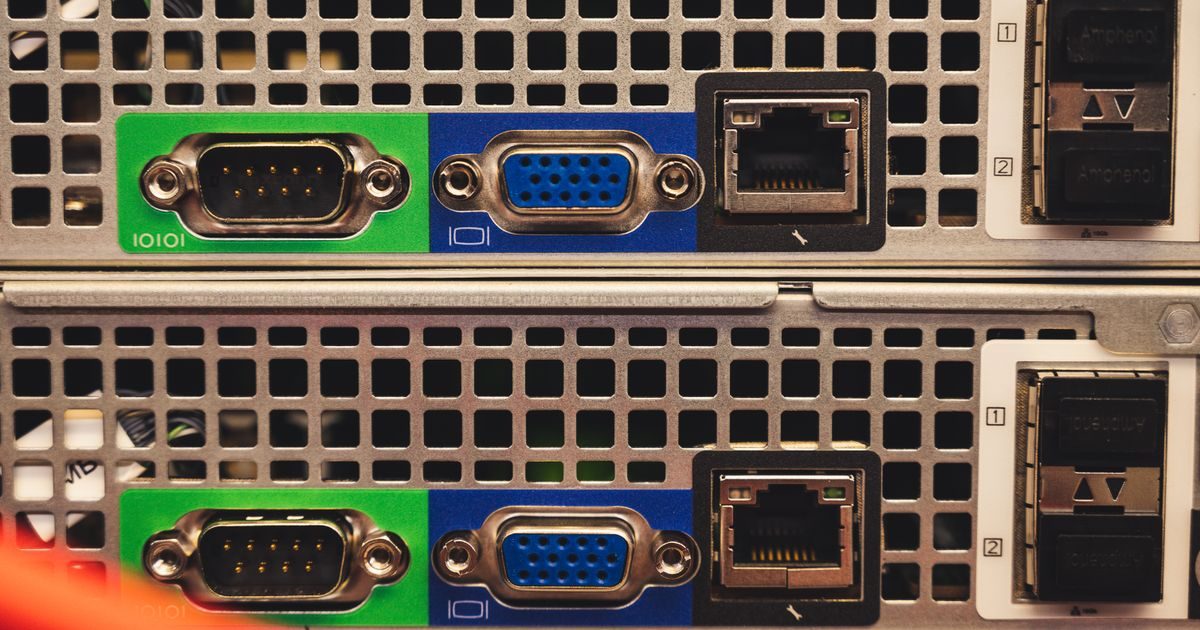
A dedicated server is a complete physical machine that a hosting provider leases to you exclusively. All the hardware — CPU, RAM, storage, and bandwidth — belongs solely to your project. No other customer shares that equipment with you.
This guide covers exactly what a dedicated server is, how it differs from a VPS, its main advantages and drawbacks, typical costs, and the clear signals that tell you it is time to get one.
What Makes a Dedicated Server Different
The fundamental difference from other hosting types is straightforward: the physical hardware is yours alone for the duration of your contract.
- No forced virtualization: while you can install a hypervisor on top to create your own VMs, the underlying hardware is not shared with anyone else.
- Predictable performance: there are no noisy neighbors consuming CPU or disk I/O on the same node.
- Total customization: you choose the OS, kernel, web server, firewall, and every software layer.
- Root access: complete control over the system from day one.
This exclusivity comes at a price: dedicated servers are the most expensive hosting option, and they demand the most technical responsibility if you choose the unmanaged model.
Dedicated Server vs. VPS vs. Shared Hosting
Before deciding, it helps to see the full picture:
| Feature | Shared | VPS | Dedicated |
|---|---|---|---|
| Hardware | Shared | Virtual / isolated | Exclusive physical |
| Performance | Variable | Guaranteed (virtual) | Maximum and predictable |
| Isolation | None | OS isolated | Hardware isolated |
| Root access | No | Yes | Yes |
| Scalability | Limited | High (minutes) | Limited (hardware) |
| Typical monthly price | $2–$15 USD | $10–$120 USD | $80–$500+ USD |
| Best for | Small sites | Growing projects | High traffic / compliance |
You can explore VPS options and how they compare to dedicated servers in our VPS servers section.
Key Advantages of a Dedicated Server
Uncompromised Performance
All CPU cores, all RAM, and all disk I/O are available to your processes at all times. For applications with intensive database queries, image or video processing, or real-time calculations, this guarantee is critical.
Security and Regulatory Compliance
Many compliance frameworks — PCI DSS for card payments, HIPAA for health data, ISO 27001 — require or strongly recommend hardware-level isolation. On a dedicated server, there is zero risk of data leakage between tenants because there are no other tenants.
Full Software Control
You can install custom kernels, security modules (SELinux, AppArmor), proprietary firewall solutions, or software licensed per core or socket that cannot run on shared VPS environments.
Reliability Under Heavy Traffic
A properly sized dedicated server handles traffic spikes without the bottlenecks that can appear on oversold virtualized infrastructure. If your site runs aggressive seasonal campaigns or live events, raw capacity matters.
Clean Dedicated IP Reputation
You get one or more exclusive IP addresses. You do not share IP reputation with hundreds of other sites, which matters for email deliverability and for staying off blacklists due to a neighbor's bad behavior.
Drawbacks to Consider
- Cost: the price is five to ten times higher than a comparable VPS.
- Slow scaling: adding RAM or extra disks requires physical intervention from the provider — hours or days, not a click.
- Technical responsibility: in unmanaged mode, you handle all OS management and security.
- Over-provisioning risk: if your application only uses 20% of resources on average, you are paying for idle capacity.
When to Get a Dedicated Server
These are the clear signals that the time has come:
- Your highest-tier VPS is consistently running above 80% CPU and RAM utilization.
- Your business is subject to compliance audits (PCI, HIPAA, GDPR with isolation requirements) that mandate exclusive hardware.
- You host a very large database (hundreds of GBs or TBs) with intensive concurrent queries.
- You need specific hardware: GPUs for machine learning, specialized NVMe or SAS storage, or custom network cards that no VPS provider offers.
- Your SLA requires 99.99% uptime and the provider only guarantees it on dedicated hardware.
Not sure whether your project justifies the upgrade? The specialists at elenlace.com can analyze your current setup and recommend the exact infrastructure you need.
What Does a Dedicated Server Cost?
Prices depend on hardware specifications and the level of management included:
| Configuration | CPU | RAM | Storage | Approx. price/mo (USD) |
|---|---|---|---|---|
| Entry | Intel Xeon E, 4 cores | 16 GB | 2× 500 GB SSD | $80–$130 |
| Standard | Intel Xeon Silver, 8 cores | 32 GB | 2× 1 TB NVMe | $150–$250 |
| High Performance | Intel Xeon Gold, 16 cores | 64 GB | 4× 2 TB NVMe | $300–$500 |
| Enterprise | Dual Xeon, 32+ cores | 128–256 GB | Custom NVMe RAID | $500–$1,200+ |
Adding managed administration typically adds $50–$150 USD/month depending on the provider and the support level included.
Key Takeaways
- A dedicated server is exclusive physical hardware: no shared virtualization, no noisy neighbors.
- It delivers maximum performance, isolation, and control available in traditional hosting.
- It is the right choice for sustained high traffic, strict compliance requirements, or software needing specific hardware.
- Its main drawbacks are cost and slow scalability compared to cloud solutions.
- If your highest-tier VPS is consistently at capacity, that is a clear signal to make the switch.
- Managed and unmanaged options exist — evaluate your available technical team before choosing.
Want to know whether your project already justifies a dedicated server or whether a high-performance VPS would suffice? Talk to the web infrastructure experts and get a free personalized recommendation.
FAQ
Is a dedicated server better than a VPS?
It depends on the use case. A dedicated server offers greater raw performance and complete hardware-level isolation, but at a considerably higher cost and with less flexibility for scaling. A VPS is the more efficient choice for most growing projects. The dedicated option is superior when the resources of the best available VPS are no longer enough, or when regulatory requirements mandate exclusive hardware.
Can I install Windows on a dedicated server?
Yes. Most providers offer Windows Server (2019, 2022) alongside Linux distributions. Keep in mind that the Windows Server license adds an extra $30–$80 USD/month depending on the edition.
What is a managed dedicated server?
It is a dedicated server where the provider handles operating system management: updates, security patches, 24/7 monitoring, and technical support for incidents. You focus solely on your application. This is the recommended option if you do not have an in-house sysadmin team.
How long does it take for a dedicated server to be ready?
Provisioning time varies by provider. Some offer pre-configured "barebone" servers ready in 1–4 hours. Custom configurations with specific hardware can take anywhere from 24 hours to several business days, as they require physical installation in the datacenter.
Further reading
Other providers and guides worth comparing: