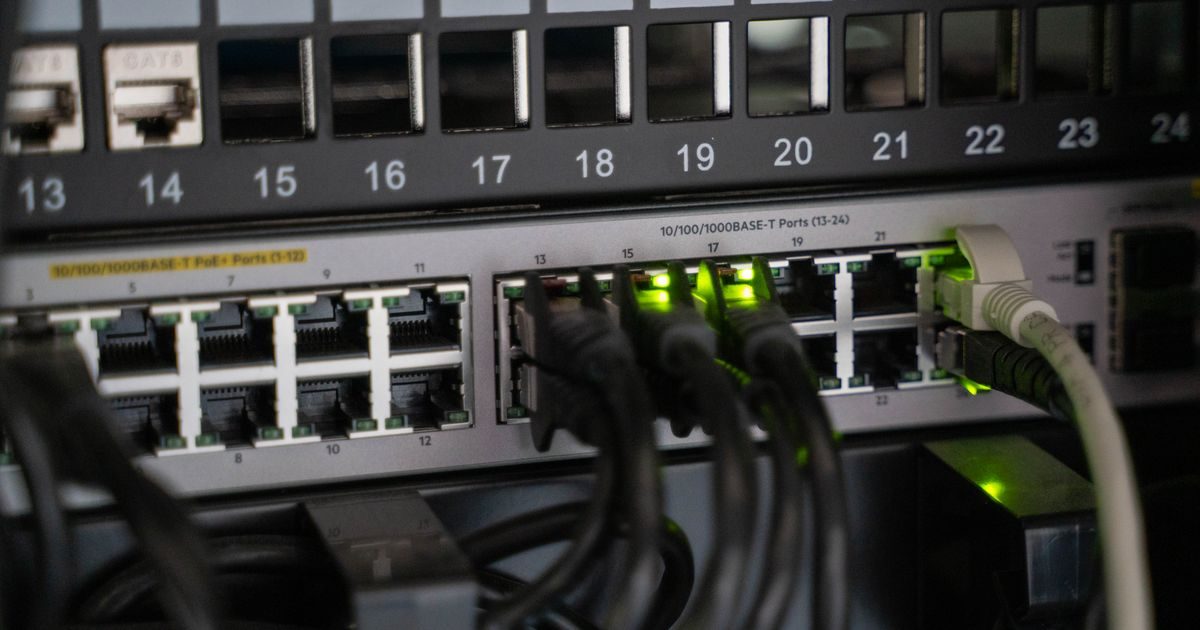
For a real estate firm in Monterrey running a portal with hundreds or thousands of listings, real-time filtered searches, and high-resolution photo galleries, a dedicated server is the right choice: exclusive physical resources, no CPU or RAM competition, and predictable bandwidth.
This guide explains when a real estate firm truly needs a dedicated server (and when a VPS still cuts it), what specifications to look for, what it costs in Mexico, and how to choose a provider.
When Does a Real Estate Firm Need a Dedicated Server vs. a VPS?
The short answer: when traffic or database load consistently exceeds what an 8 GB VPS can handle.
Signs it's time to move to dedicated:
- The portal receives more than 50,000 monthly visits and listing pages take over 2 seconds to load.
- The property database exceeds 20,000 records with complex geospatial queries.
- You process image batches automatically (thumbnails, watermarks, WebP conversion).
- You offer real-time search with combined filters (price, zone, sqm, type) that generate heavy queries.
- You have a custom CRM integrated with the portal and corporate email on the same server.
If your operation hasn't reached that level yet, an 8 GB RAM NVMe VPS covers your needs at a fraction of the cost. You can scale up later.
Recommended Specs for Real Estate Portals in Monterrey
| Firm Profile | CPU | RAM | Storage | Bandwidth |
|---|---|---|---|---|
| Boutique (up to 500 listings) | 4 cores | 16 GB | 500 GB SSD | 10 TB/mo |
| Mid-size (500–5,000 listings) | 8 cores | 32 GB | 1 TB NVMe | 20 TB/mo |
| Large / multi-branch | 16+ cores | 64 GB | 2 TB NVMe RAID | Unmetered |
Images are the biggest storage consumer. Each listing with a 20-photo gallery at 2 MB per photo uses ~40 MB; a catalog of 2,000 properties already exceeds 80 GB in original images alone, not counting resized versions.
NVMe or SATA SSD?
For real estate databases with geospatial queries (PostGIS or MySQL with spatial indexes), NVMe reduces query response time by 3–5× compared to conventional SATA SSD. The price difference is worth it.
Datacenter Location: Monterrey, CDMX, or Elsewhere?
Latency matters for real-time search experience. A Monterrey datacenter delivers 1–5 ms latency for metro-area users (Monterrey, San Pedro, Guadalupe, Apodaca). A CDMX datacenter adds 15–25 ms.
For local property searchers, an extra 20 ms is imperceptible. But if your portal uses WebSockets for real-time notifications or dynamic map reloading, the difference shows up in smoothness.
Most Mexican providers operate from CDMX or Querétaro. Some have a PoP in Monterrey. Ask specifically about the physical rack location before signing.
Real Costs in 2026
Dedicated servers in Mexico have a wider price range than VPS plans:
| Configuration | Estimated Price (MXN/mo) | Includes |
|---|---|---|
| 4 cores / 16 GB / 500 GB SSD | $2,500 – $3,500 | IP, 10 TB traffic |
| 8 cores / 32 GB / 1 TB NVMe | $4,500 – $6,500 | IP, 20 TB traffic, IPMI |
| 16 cores / 64 GB / 2 TB NVMe | $8,000 – $14,000 | IP, unmetered traffic, IPMI |
Server management (updates, security patches, monitoring) adds MXN $800–$1,500/month if contracted with the provider. For a real estate firm without its own IT team, that expense is non-negotiable.
Schedule a free consultation with the team at elenlace.com to get a quote tailored to your firm's exact size and needs.
What to Verify Before Signing
- Server provisioning time: Dedicated servers aren't instant like VPS. Some providers take 24–72 hours to provision hardware. If you have an urgent migration, confirm the actual timeline.
- IPMI / remote console access: Essential if the OS fails and you need to reinstall without calling support.
- Hardware SLA: What happens if a disk fails? How many hours until they replace the component? Get the policy in writing.
- Committed vs. burst bandwidth: Some contracts offer 1 Gbps committed; others offer 100 Mbps committed with burst to 1 Gbps. For mass image uploads, committed bandwidth matters.
- Backup policy: Dedicated servers rarely include automatic backup in the base price. Budget for an external backup service or periodic snapshot solution.
- Support during Mexican business hours: Saturday-afternoon incidents happen; confirm that support actually responds.
Key Takeaways
- A dedicated server is the right choice when your portal exceeds 50,000 visits/month, has complex databases, or regularly processes images in batch.
- For boutique firms with fewer than 500 listings, an 8 GB NVMe VPS is sufficient and costs 4–5× less.
- NVMe significantly accelerates geospatial searches, which are the core of any property portal.
- Mid-range dedicated server pricing in Mexico runs MXN $4,500–$6,500/month, excluding management.
- Always negotiate the hardware replacement SLA and IPMI access before signing a contract.
Want a concrete proposal for your real estate business? The team at elenlace.com will assess your current portal and recommend the exact infrastructure you need — no over-provisioning, no undersizing.
FAQ
Can I host both the CRM and the portal on the same dedicated server?
Yes, and that's the standard setup for mid-sized real estate firms. Ideally, separate the services into containers or virtual machines on the same hardware to isolate processes and simplify selective backups. A 32 GB RAM server comfortably handles portal + CRM + corporate email simultaneously.
How long does it take to migrate an existing real estate portal to a dedicated server?
A well-planned migration — database export, file sync, and DNS cutover — takes 4–8 hours for a mid-sized portal. With a nighttime maintenance window and the right tools, visible downtime for end users is under 30 minutes.
Do I need a dedicated server physically in Monterrey, or is one in CDMX enough?
For most real estate portals, a CDMX server is perfectly adequate: the latency difference (an extra 15–25 ms) is unnoticeable in standard property searches. If your portal relies heavily on real-time technologies (WebSockets, live map updates), a node closer to Monterrey will noticeably improve the user experience.
Does a dedicated server protect my listings from being scraped?
Not directly. Scraper protection is implemented at the application and WAF level (rate limiting, CAPTCHAs, session validation), regardless of server type. A dedicated server does give you more control to implement those protection layers without the constraints of a shared environment.
Further reading
Other providers and guides worth comparing: