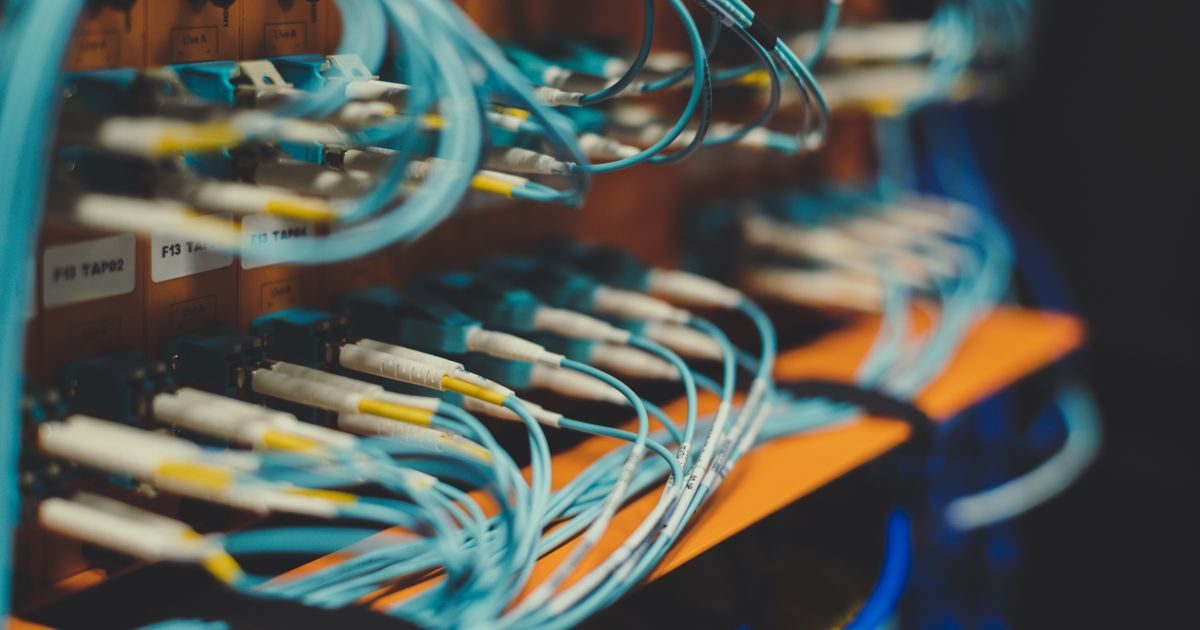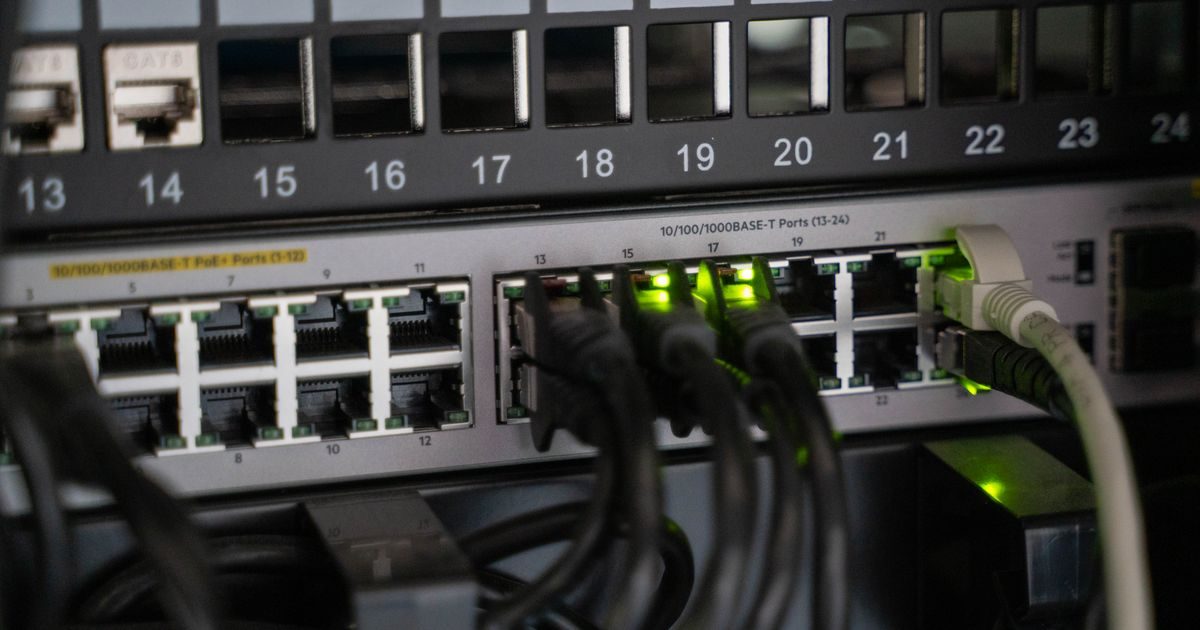
A mail server is the software (or the machine running it) that handles sending, receiving, and storing email messages. Without one, every email you write would have nowhere to go.
This article gives you a clear breakdown of how the whole process works, which protocols are involved, and when it makes sense to run your own mail server instead of relying on a hosted service.
What Is a Mail Server?
A mail server is specialized software that runs continuously and plays two main roles:
- Outgoing server (MTA – Mail Transfer Agent): accepts the messages you write and delivers them to the recipient's server.
- Incoming server (MDA – Mail Delivery Agent): receives messages addressed to your domain and deposits them in each user's mailbox.
In small setups, both roles are handled by the same software (Postfix, Exim, Microsoft Exchange). In larger architectures they may run on separate machines.
How Does Sending an Email Work, Step by Step?
When you press "Send," a chain of events unfolds in just a few seconds:
- Your email client (Outlook, Thunderbird, mobile app) connects to your outgoing SMTP server with your credentials.
- The SMTP server queries the DNS of the recipient's domain to find its
MX(Mail Exchanger) record. - An SMTP connection is established between your server and the destination server; the message is transferred.
- The receiving server deposits the email in the user's mailbox.
- The recipient downloads or accesses the message via IMAP or POP3.
The whole process happens even if the recipient is offline — the server acts as an intermediary and holds the message until it's read.
Core Protocols: SMTP, IMAP, and POP3
Three protocols govern modern email. Each has a distinct role:
| Protocol | Function | Standard port |
|---|---|---|
| SMTP | Sending and server-to-server transfer | 25 (server↔server), 587 (client→server) |
| IMAP | Real-time mailbox access; messages stay on the server | 993 (with TLS) |
| POP3 | Downloads messages to your device; deletes them from the server by default | 995 (with TLS) |
IMAP vs POP3 — which should you use? If you check email on multiple devices (laptop, phone, tablet), use IMAP: messages sync across all of them. POP3 only makes sense if you have a single device and want everything stored locally.
Types of Mail Servers
Self-hosted mail server
You install and manage the software (e.g., Postfix + Dovecot) on a VPS or dedicated server. You have full control over configuration, blacklists, and storage — but you're also responsible for maintenance, backups, and IP reputation.
Managed (hosted) mail server
Services like Google Workspace, Microsoft 365, or Zoho Mail handle everything for you. You pay a monthly fee and skip the administration. Ideal for businesses without dedicated technical staff.
Transactional mail server
Built for automated emails: order confirmations, password resets, system notifications. Platforms like SendGrid, Amazon SES, or Mailgun are optimized for high volume and maximum deliverability.
If you manage a website or online store, working with a web infrastructure agency can help you decide which type of mail server best fits your operation.
Mail Server Security
Email is one of the most exploited attack vectors. A well-configured server needs:
- SPF (Sender Policy Framework): a DNS record that lists servers authorized to send email on behalf of your domain.
- DKIM (DomainKeys Identified Mail): a cryptographic signature proving the message wasn't tampered with in transit.
- DMARC: a policy telling receiving servers what to do if SPF or DKIM fail (reject, quarantine, or just report).
- TLS: encryption of the connection between servers to prevent interception.
Without SPF + DKIM + DMARC properly configured, your emails will likely end up in spam — or worse, your domain can be spoofed for phishing attacks.
For more on server infrastructure choices, check out our VPS and hosting server guide covering options for businesses of all sizes.
Key Takeaways
- A mail server handles sending (SMTP), receiving, and storing email messages.
- Delivery relies on DNS
MXrecords to locate the recipient's server. - IMAP keeps messages on the server and syncs across multiple devices; POP3 downloads them locally.
- SPF, DKIM, and DMARC are essential for domain reputation and deliverability.
- You can choose a self-hosted server (more control), a managed service (less effort), or a transactional platform (high volume).
Need to set up corporate email for your business or migrate to a more reliable solution? Reach out to us at elenlace.com for a free consultation — we'll help you find the right fit for your domain, send volume, and budget.
FAQ
What is the difference between a mail server and an email client?
A mail server is the infrastructure that stores and transfers messages. An email client (Outlook, Gmail in the browser, Thunderbird) is the app you use to read and compose mail; it connects to the server via IMAP, POP3, or SMTP.
Can I run my own mail server with my domain?
Yes. You need a server (VPS or dedicated) with a static IP, mail software like Postfix + Dovecot, and the proper DNS records for your domain (MX, SPF, DKIM, DMARC). You also need to make sure port 25 isn't blocked by your hosting provider.
Why are my emails going to spam?
The most common causes are: poor IP reputation, missing SPF/DKIM/DMARC, content flagged as spam, or sending from a brand-new domain with no history. Tools like Mail-Tester.com can pinpoint the exact issue.
How hard is it to manage a self-hosted mail server?
Initial setup requires knowledge of Linux, DNS, and networking. Ongoing maintenance — updates, blacklist monitoring, quota management — adds operational overhead. For many businesses, a managed service like Google Workspace is more cost-effective in terms of time than self-hosting.
Further reading
Other providers and guides worth comparing: