Dedicated hosting means renting an entire physical server from a provider — no shared CPU, no shared RAM, no shared disk. Every resource on that machine belongs exclusively to you. It is the most powerful and isolated option in traditional web hosting.
This article breaks down how dedicated hosting works, what you actually gain from it, and how to decide whether your project needs it or whether a more affordable option will do the job just as well.
How Does Dedicated Hosting Work?
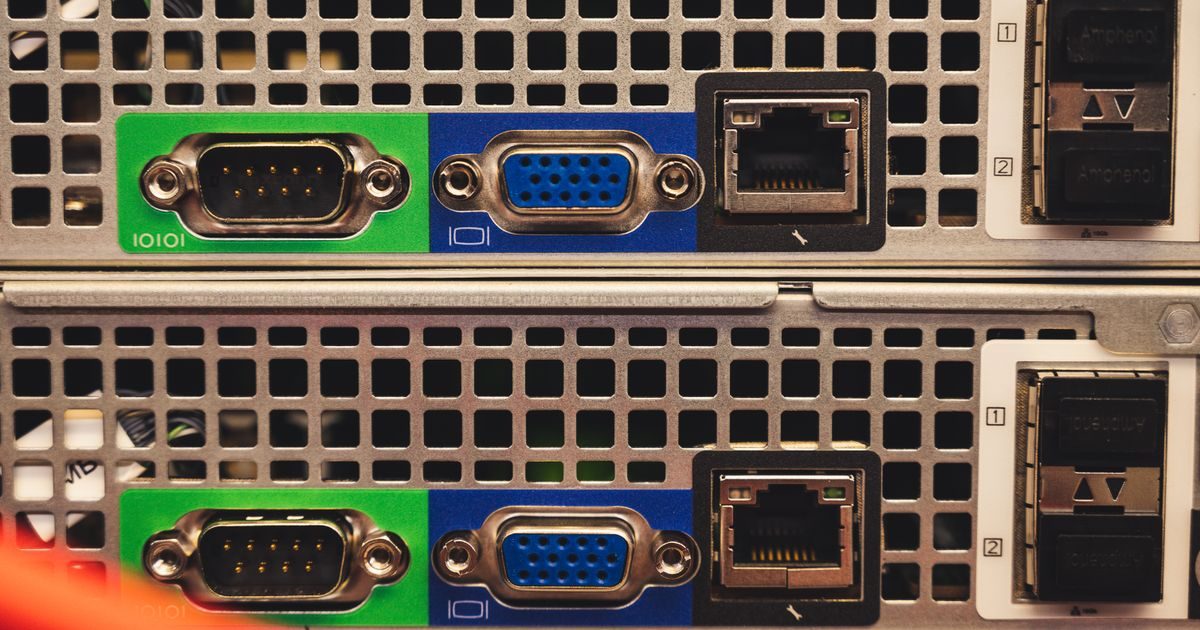
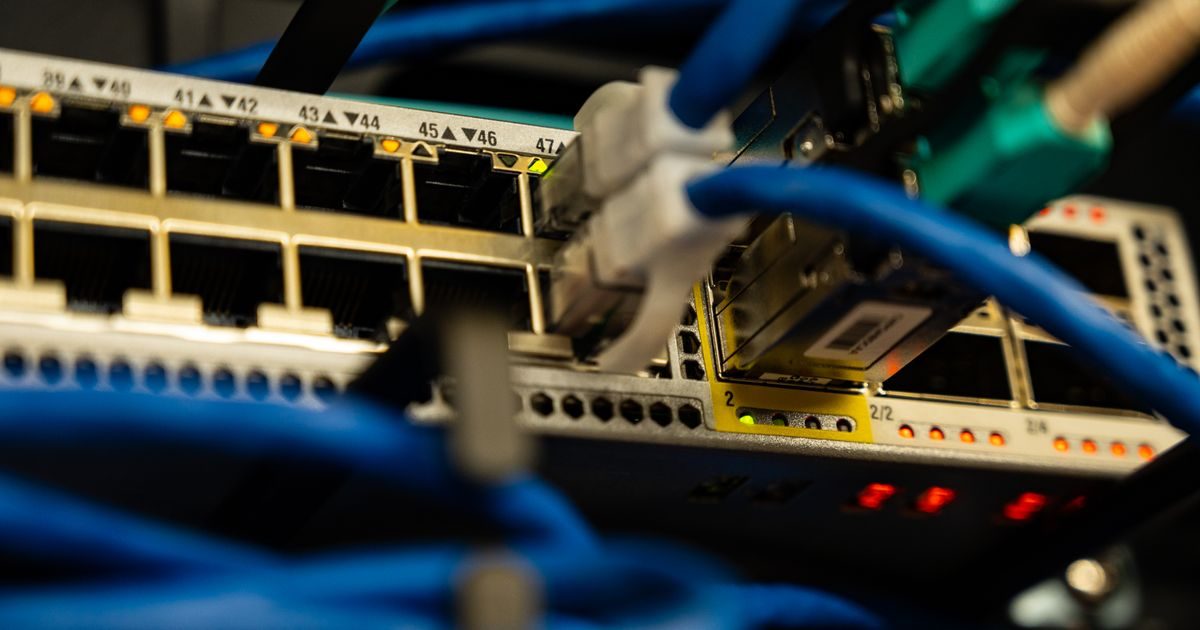
A hosting provider installs physical hardware — processor, RAM, storage drives — in a professional data center and connects it to high-bandwidth Internet uplinks. That hardware is reserved for a single customer. There is no hypervisor splitting resources between tenants, as happens with shared hosting or a VPS.
You receive full root or administrator access to the operating system (typically Linux or Windows Server) and can install, configure, and manage the machine as if it sat in your own office — but with datacenter-grade power, cooling, and connectivity.
Typical components of a dedicated server
- CPU: 4 cores for entry-level up to 32–64 cores in performance configurations.
- RAM: usually 16 GB–256 GB, upgradable.
- Storage: NVMe SSD or SATA HDD in RAID for redundancy.
- Bandwidth: 1 Gbps–10 Gbps port with multi-TB monthly allocations.
- Dedicated IPs: at least one exclusive public IP; more can be added.
Benefits of Dedicated Hosting
The headline benefit is guaranteed performance. No neighbor can saturate your bandwidth or exhaust the node's RAM. That translates into consistent response times even during traffic spikes.
- 100 % exclusive resources: zero "noisy neighbor" effect.
- Full system control: choose your kernel, configure your firewall, pick any software stack.
- Security and isolation: your environment is physically separate from other customers.
- Compliance-ready: useful for PCI-DSS, HIPAA, or data regulations that require isolated environments.
- Clean IP reputation: your IP's standing is not affected by what other tenants do.
Downsides and Limitations
Dedicated hosting is not the right choice for every project. Consider these points before signing up:
- High cost: entry-level plans typically start at $80–$200 USD/month; advanced configurations exceed $500 USD.
- Administration responsibility: with an unmanaged server, you are the sysadmin — patches, backups, monitoring, all on you.
- Limited vertical scaling: adding RAM or drives means physical intervention or migration to a new server.
- Cloud may be more flexible: if you need elastic scaling, a cloud VPS or bare-metal cloud instance can be more practical.
When Does a Dedicated Server Make Sense?
Many projects thrive on a quality VPS without ever needing dedicated hardware. The upgrade makes sense when:
- You receive sustained high traffic (500k+ visits/month) with unpredictable spikes.
- You handle sensitive data that requires certified physical isolation.
- You run compute-intensive applications: video encoding, machine learning models, multiplayer game servers.
- You host multiple sites or clients and want to resell hosting under your brand.
- Your business SLAs demand ultra-low, jitter-free latency.
Dedicated Hosting vs Other Options
| Feature | Shared | VPS | Dedicated |
|---|---|---|---|
| Resources | Shared | Virtualized / guaranteed | Exclusive physical |
| Monthly price (USD) | $2–$10 | $10–$80 | $80–$500+ |
| OS control | None | Full root | Full root |
| Isolation | Low | Medium (software) | High (hardware) |
| Scalability | None | High (cloud) | Limited (physical) |
| Best for | Blogs, portfolios | Mid-size apps, SaaS | High load, compliance |
Key Takeaways
- Dedicated hosting is a complete physical server reserved for a single customer with no shared resources.
- It delivers maximum performance, control, and isolation available in traditional hosting.
- Cost and management overhead are significantly higher than VPS or shared hosting.
- It makes sense for very high traffic, sensitive data, or compute-heavy applications.
- For most mid-size projects, a managed VPS is the more cost-efficient choice.
Not sure whether dedicated hosting is right for you? The team at elenlace.com can help you analyze your actual workload and choose the right infrastructure without overspending.
FAQ
Is dedicated hosting the same as cloud hosting?
Not exactly. A dedicated server is exclusive physical hardware in a data center. Cloud hosting runs on virtualized infrastructure that scales elastically. Some providers offer "bare-metal cloud" that blends both: physical hardware with fast provisioning and on-demand billing.
Do I need Linux skills to manage a dedicated server?
If you choose an unmanaged plan, yes — you are responsible for the OS, updates, and security hardening. With a managed dedicated server, the provider handles patches, monitoring, and basic maintenance, at a higher monthly cost.
How much does dedicated hosting cost?
Entry-level dedicated servers typically start around $80–$120 USD/month. Mid-range configurations with more RAM, NVMe storage, and premium bandwidth run $200–$400 USD. High-end or custom builds can exceed $500 USD per month.
Is a dedicated server more secure than a VPS?
It provides stronger physical isolation, eliminating certain hypervisor-level attack vectors present in virtualized environments. That said, real-world security still depends primarily on how well you configure and maintain the OS and applications running on the machine.
Prefer it done for you? El Enlace handles hosting and professional web development.
Useful resources
Other providers and guides worth comparing: