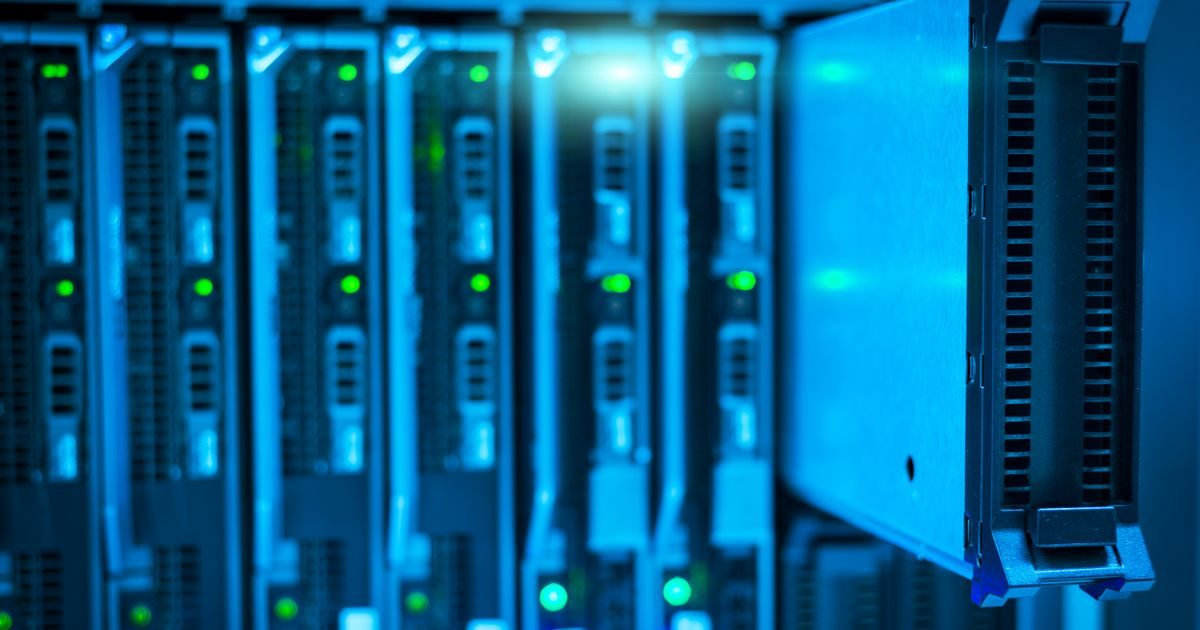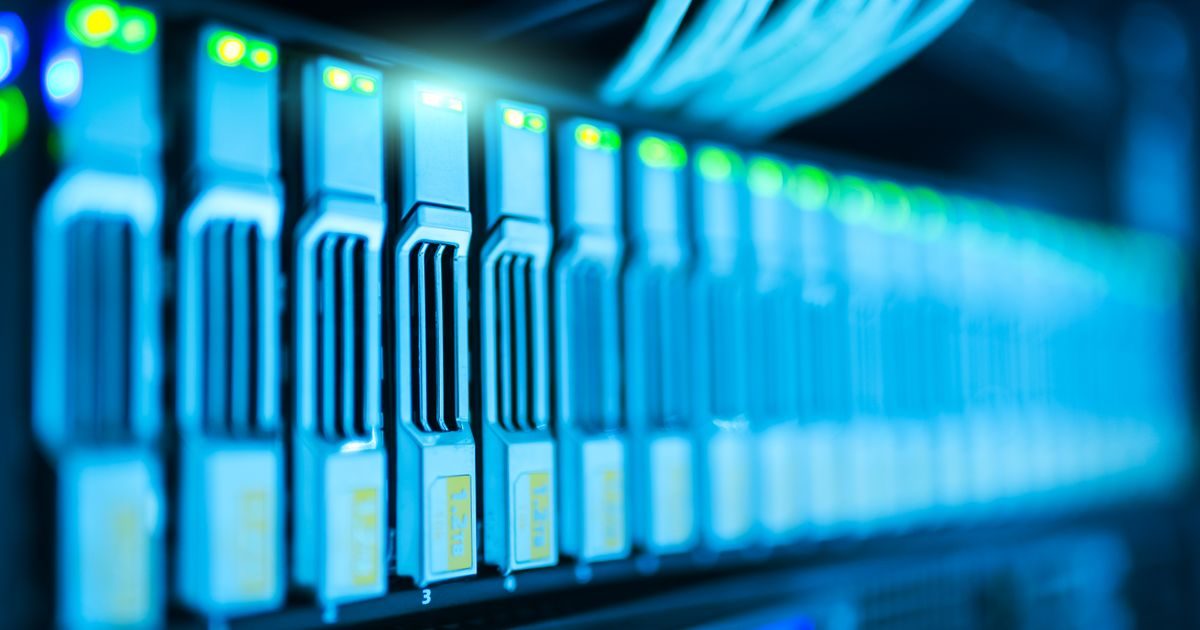
A bare metal server is a physical server dedicated entirely to a single customer, with no virtualization layer between the operating system and the hardware. The result is direct, exclusive access to all machine resources: CPU, RAM, storage, and network.
If you're evaluating infrastructure options and want to understand when bare metal makes sense versus a VPS or cloud server, this article gives you a complete answer. Also check our VPS and dedicated servers section to compare alternatives.
What Does "Bare Metal" Actually Mean?
"Bare metal" means the operating system is installed directly on the hardware — no hypervisor, no virtual machines in between. It's the most fundamental — and most powerful — way to run a server.
On a VPS, your OS runs inside a virtual machine that shares physical hardware with other VMs. On a bare metal server, there are no neighboring tenants and no intermediate layers. The hardware is exclusively yours.
How Does a Bare Metal Server Work?
The provisioning process varies by provider, but the standard flow is:
- Hardware selection: you choose the configuration (processor, RAM, storage, bandwidth).
- Provisioning: the provider assigns a real physical server — not a virtual partition. This can take minutes (with modern on-demand bare metal providers) or hours (with traditional models).
- OS installation: the operating system is installed directly on the hardware, no hypervisor involved.
- Handoff: you receive full root or administrator access to the server.
Once handed over, you manage the server exactly as you would a physical machine of your own — except it's hosted in a professional data center with high-speed connectivity.
Bare Metal vs VPS: Key Differences
| Aspect | Bare Metal | VPS |
|---|---|---|
| Hardware | Dedicated physical | Shared virtual |
| Hypervisor | None | Yes (KVM, VMware…) |
| Performance | Maximum, predictable | Good, can vary |
| Isolation | Full (own hardware) | Logical (software) |
| Cost | High | Low–Medium |
| Scalability | Vertical (fixed hardware) | Fast (minutes) |
| Provisioning time | Minutes to hours | Seconds to minutes |
| Best for | Intensive workloads, compliance | Small–medium projects |
Benefits of Bare Metal Servers
Performance Without "Noisy Neighbors"
On a VPS, other customers share the same physical hardware. If one of them spikes CPU or I/O usage, it can affect your performance — the classic "noisy neighbor problem." On bare metal, that problem simply doesn't exist: the resources are entirely yours.
Predictable and Consistent Performance
Applications requiring low, stable latency — transactional databases, trading systems, multiplayer game servers, rendering workloads — benefit enormously from direct hardware access without virtualization overhead.
Hardware-Level Security Isolation
By not sharing hardware with other customers, you eliminate attack vectors that rely on hypervisor vulnerabilities (such as certain Spectre/Meltdown variants in multi-tenant environments). This is especially relevant for applications with compliance requirements (PCI-DSS, HIPAA).
Full Hardware Access
You can leverage advanced CPU features that a hypervisor might not expose: SIMD and AVX instructions, direct GPU access, or custom hardware RAID configurations tailored to your workload.
When to Choose Bare Metal Over VPS or Cloud
- Mission-critical databases handling thousands of transactions per second.
- Machine learning and AI workloads requiring direct GPU access.
- Trading or fintech applications where microsecond latency matters.
- Regulatory compliance that requires physical data isolation.
- Game servers with high concurrency and guaranteed low latency.
- Predictable, sustained workloads that a VPS can no longer handle.
If your application is still growing and load varies a lot, a VPS is usually more economical and flexible. Bare metal shines when load is high, sustained, and predictable.
Need help deciding? The team at elenlace.com can help you size the right infrastructure based on your real needs.
Key Takeaways
- A bare metal server is dedicated physical hardware for a single customer, with no hypervisor.
- It delivers maximum available performance and eliminates the noisy neighbor problem.
- Isolation is at the hardware level, not just logical like a VPS.
- Ideal for intensive databases, low-latency applications, and compliance requirements.
- Higher cost and less agile scaling than a VPS; it pays off when load is high and constant.
If your project has outgrown what a VPS can offer, it's time to make the move. Explore bare metal and dedicated server options at elenlace.com and scale with the infrastructure your application deserves.
FAQ
Are bare metal and dedicated server the same thing?
Essentially yes: both terms refer to a physical server assigned exclusively to a single customer. "Bare metal" is the more modern term, commonly used by cloud providers (AWS, Hetzner, OVH) that offer physical servers alongside their virtual machines.
Can I install any operating system on a bare metal server?
In most cases, yes. Providers typically offer a list of supported OSes (Linux, Windows Server) and some allow you to upload a custom ISO image. You have full control over the software stack.
Is bare metal more secure than a VPS?
From an isolation standpoint, yes: there's no risk of lateral attacks between VMs. However, security also depends on how you configure the server. A poorly configured bare metal server can be more vulnerable than a well-managed VPS.
How much does a bare metal server cost?
Prices vary by hardware and provider. An entry-level bare metal server (4–8 cores, 32 GB RAM, SSD) can start around $75–150 USD/month with regional providers, rising to $500+ for GPU-equipped or high-availability configurations.
Compare providers
Other providers and guides worth comparing: