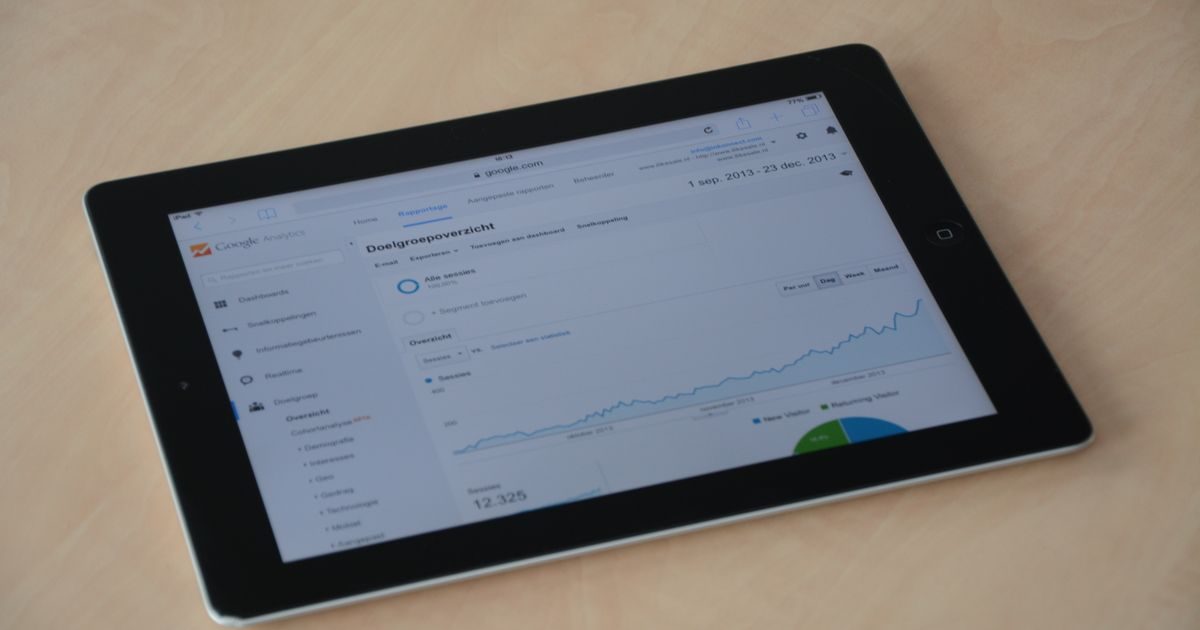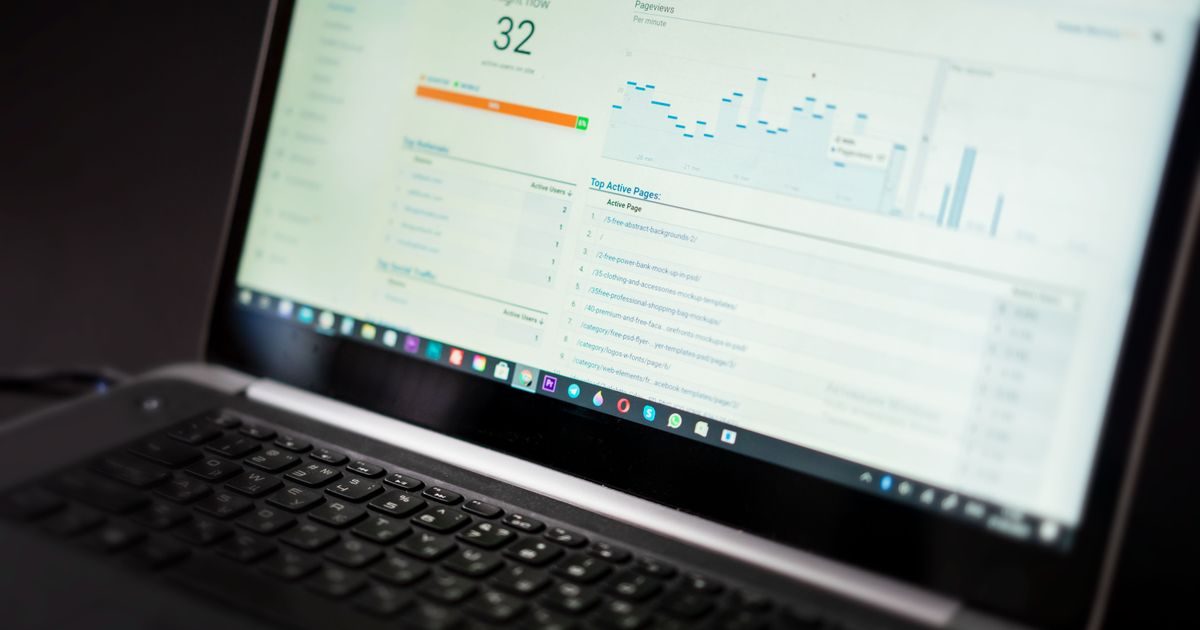
Website maintenance is the set of periodic tasks — technical, security-related, and content-focused — that ensure your site works correctly, stays protected against threats, and delivers a great user experience.
Without maintenance, even the best-built site accumulates vulnerabilities, slows down, and loses ground in Google. In this article you'll see exactly which tasks are involved, how often they should happen, and what the real consequences of skipping them look like.
Why Is Website Maintenance Necessary?
A website is not a paper sign you put up and forget. It's a living system that depends on software (CMS, plugins, PHP, server), content, and external users — all of which change over time.
The main reasons maintenance is non-negotiable:
- Security — 43% of cyberattacks target small and medium businesses. Most exploit known vulnerabilities in outdated software.
- Performance — databases fragment, caches fill with stale data, and unoptimized images slow down load times.
- SEO — Google penalizes slow pages, 404 errors, outdated content, and expired SSL certificates.
- Uptime — a site that's down or visibly broken destroys visitor trust within seconds.
- User experience — broken forms, dead links, or layouts that look wrong in new browsers drive customers away.
Types of Website Maintenance
Not all tasks share the same urgency or nature. It helps to break them into four categories:
1. Security Maintenance
The most critical category. It includes:
- Updating the CMS (WordPress, Joomla, Drupal…) and its plugins/themes.
- Renewing and monitoring the SSL/TLS certificate.
- Malware scanning and removal of malicious code.
- Reviewing and hardening file and directory permissions.
- Monitoring unauthorized access attempts.
2. Performance Maintenance
Keeps the site loading fast and responding well:
- Database optimization and cleanup (post revisions, drafts, comment spam).
- Server and browser cache management.
- Compression and resizing of new images.
- Reviewing Core Web Vitals with tools like Google PageSpeed or Lighthouse.
- Removing unnecessary plugins and scripts.
3. Content and SEO Maintenance
Keeps the site relevant for users and search engines:
- Reviewing and updating articles, prices, contact details, and images.
- Fixing broken links (internal and external).
- Updating the XML sitemap and resubmitting it to Google Search Console.
- Auditing redirects (302s that should be 301s, long redirect chains).
- Publishing fresh content regularly if the site has a blog.
4. Backup Maintenance
The safety net for any disaster scenario:
- Automatic daily or weekly backups of files and database.
- Storage outside the main server (secondary server or cloud).
- Periodic restoration testing — a backup you can't restore is useless.
Recommended Frequency for Each Task
| Task | Recommended Frequency | Priority |
|---|---|---|
| Security updates (CMS, plugins) | Weekly or immediate if critical | High |
| Malware scan | Weekly | High |
| Full backup (files + database) | Daily | High |
| Core Web Vitals review | Monthly | Medium |
| Database cleanup | Monthly | Medium |
| Broken link check | Monthly | Medium |
| Content updates | Per editorial calendar | Medium |
| Backup restoration test | Quarterly | High |
| Full SEO audit | Semi-annual | Medium |
| Domain and SSL renewal | Annual (with advance notice) | High |
What Happens When You Skip Maintenance? Real Consequences
Ignoring maintenance is not a neutral choice. These are the most common consequences and their costs:
Hacking and Data Loss
Outdated WordPress sites are the preferred target of automated bots. Once infected, spam content can appear, the server may be used to send malicious emails, and Google can blacklist your site — killing your SEO overnight.
Speed Drop and High Bounce Rates
A database bloated with thousands of post revisions and spam comments can increase server response time by 200–500 ms. Beyond 3 seconds of load time, more than 50% of users abandon the page.
Loss of Search Rankings
404 errors, slow pages, and stale content drag down the quality signals Google evaluates continuously. It's common to see neglected sites lose 30–50% of their organic traffic within six months.
Damaged User Experience
A broken contact form, a failing purchase link, or an image that won't load are enough to send a potential customer to a competitor. Digital reputation takes years to build and seconds to destroy.
DIY Maintenance vs. Outsourcing
The right choice depends on your internal resources and how critical the site is to your business:
| Option | Advantages | Disadvantages |
|---|---|---|
| In-house maintenance | Full control, no external cost | Requires technical skills, consumes team time |
| Agency or freelancer | Specialized expertise, fixed monthly time | Recurring cost, vendor dependency |
| Hosting support plan | Integrated with the server, fast for incidents | Limited scope, doesn't cover content or SEO |
For most SMBs, the most cost-effective approach is delegating technical and security tasks to a specialist while the internal team handles content. At elenlace.com we offer website maintenance plans adapted to the size and needs of each business.
Key Takeaways
- Website maintenance covers security, performance, content, and backups — no area can be ignored without consequences.
- Security updates are the most urgent: they should be applied within days, not weeks.
- Daily backups are the insurance policy against any technical disaster or attack.
- A site without maintenance progressively and inevitably loses speed, security, and search rankings.
- For most SMBs, outsourcing technical maintenance to a specialist agency is more efficient than managing it in-house.
- The cost of maintenance is always lower than the cost of recovering a hacked, slow, or de-ranked website.
Does your site lack a defined maintenance plan? Now is the time to change that. Talk to the team at elenlace.com and get a personalized proposal to keep your website secure and running at full performance year-round.
FAQ
How much does website maintenance cost?
Cost varies by site size and service level. For a typical SMB WordPress site, maintenance plans generally range from $30 to $150 USD per month and include updates, backups, monitoring, and basic support. An initial audit can determine the most suitable plan for your needs.
How often should I update WordPress and its plugins?
Ideally, every week. Critical security updates should be applied within the first 24–48 hours of release. Waiting longer leaves an open window for automated bots to exploit the vulnerability.
What does a full website backup include?
A complete backup must include all site files (code, images, themes, plugins) and the database. It should be stored outside the main server and tested periodically to confirm the restoration process works correctly.
Does website maintenance help with SEO?
Yes, directly. A fast site with no 404 errors, a valid SSL certificate, and updated content sends positive signals to Google. Regular maintenance prevents the gradual ranking degradation that affects neglected sites.
Compare providers
Other providers and guides worth comparing: