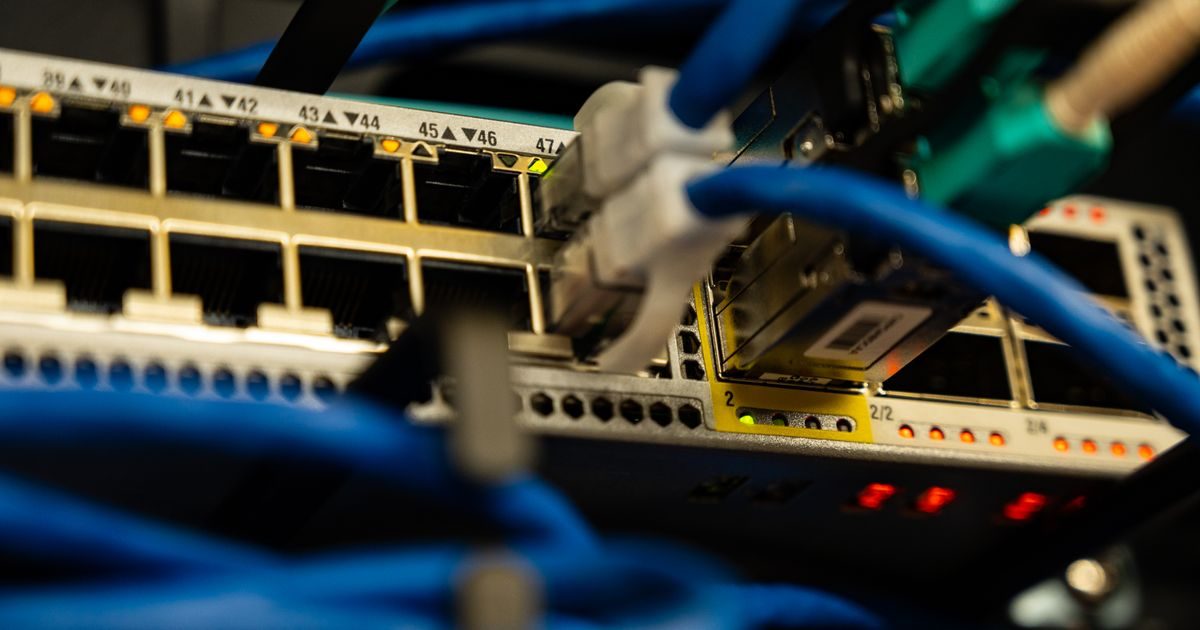
A VPS's resources — CPU, RAM, and storage — directly determine how fast your site or application responds and how much load it can handle before breaking. Choosing the wrong resources is the number-one reason for a slow VPS or for overpaying without reason.
This guide explains each resource in practical terms and gives you concrete reference points for how much you need, based on your project type — no unnecessary jargon.
What Is CPU in a VPS (vCPU)?
In a VPS you don't get an exclusive physical processor: you receive vCPUs (virtual CPUs), which are processor cores from the underlying physical server assigned to your virtual machine.
The CPU processes your software's instructions: running PHP, compiling database queries, resizing images, serving HTTP requests. When the CPU hits 100%, requests queue up and the site becomes slow or returns timeout errors.
How Many vCPUs Do You Need?
- 1 vCPU: Blogs, informational sites with low-to-medium traffic, low-frequency APIs.
- 2 vCPU: WordPress with active caching, small stores, web apps with moderate traffic.
- 4 vCPU: Higher-concurrency apps, projects combining web + database on the same server, marketplaces.
- 6+ vCPU: High-traffic applications, background processing (job queues, reports, scraping), media streaming.
Watch out for overselling: Some providers sell more vCPUs than the physical server can consistently deliver. A reliable provider specifies whether cores are guaranteed or "burstable" (shared with spike tolerance).
What Is RAM in a VPS?
RAM is your server's working memory. It temporarily holds active processes: cached pages, open database connections, user sessions, and application variables.
When RAM runs out, the operating system starts using swap (disk space used as fake RAM), which degrades performance dramatically — swap operations are 100–1,000× slower than real RAM.
How Much RAM Do You Need?
| Project | Minimum RAM | Recommended RAM |
|---|---|---|
| Blog or informational site (basic WordPress) | 512 MB | 1 GB |
| WordPress with plugins and medium traffic | 1 GB | 2 GB |
| WooCommerce store or e-commerce | 2 GB | 4 GB |
| Custom PHP/Node/Python application | 1 GB | 2–4 GB |
| Dedicated database server (MySQL/MariaDB) | 2 GB | 4–8 GB |
| Control panel cPanel/Plesk | 2 GB | 4 GB |
| High-traffic app or multiple sites | 4 GB | 8+ GB |
A practical rule: RAM is the resource that most often runs short first. If your budget is limited, prioritize RAM over extra CPU for most web projects.
VPS Storage: SSD vs HDD
Storage is where your operating system, application files, database, and media (images, videos, documents) live permanently. Unlike RAM, data on disk persists through server reboots.
SSD NVMe vs SSD SATA vs HDD
- HDD (spinning disk): Old technology. Much slower on random read/write operations. Virtually gone from modern VPS plans — avoid it if you see it.
- SSD SATA: Solid and sufficient for most web projects. I/O operations up to 5–10× faster than HDD.
- SSD NVMe: The fastest option available today. Up to 5× faster than SATA on random operations. Ideal for high-load databases or applications with heavy disk writes.
For most web projects, SSD SATA is enough; you only need NVMe if your application does intensive disk I/O (MySQL with heavy writes, high-volume logs, file processing pipelines).
How Much Storage Do You Need?
- 20–40 GB: OS + WordPress + site with few media files.
- 50–100 GB: Store with an image catalog, CRM, or app with a medium-size database.
- 100–500 GB: Multiple sites, mail server, backup storage, large databases.
- 500 GB+: Media platforms, large-scale backups, big data workloads.
Important: Don't store backups on the same disk as your VPS. Use external object storage (S3, Backblaze B2) or a separate additional volume. If the server fails, you'd lose your backups along with everything else.
How CPU, RAM, and Storage Work Together
These three resources operate in tandem. A bottleneck in any one of them drags down overall performance:
- Not enough RAM: the OS uses swap on disk, causing slow disk operations to penalize everything.
- Not enough CPU: requests queue even when RAM and disk are available.
- Not enough disk I/O: even with good CPU and RAM, slow database queries become the bottleneck.
Proper diagnosis means monitoring all three. Tools like htop, iostat, and free -h on Linux tell you exactly where the problem is.
To understand how these resources are virtualized and shared on a physical server, explore our VPS server guides.
Quick Guide for Choosing Your VPS Plan
Follow these steps before signing up:
- Define your primary workload: Is it a website? An API? A database? Background processing? Each profile has different bottlenecks.
- Estimate your initial traffic: One simultaneous visitor consumes roughly 50–150 MB of RAM on a typical WordPress install. 100 concurrent visitors = ~5–15 GB of RAM without effective caching.
- Enable caching from day one: Page caching (FastCGI Cache, Varnish, WP Rocket) dramatically reduces CPU and RAM pressure. With caching, 1–2 vCPU + 2 GB RAM can serve thousands of pages per minute.
- Start conservatively and monitor: It's easier to scale up than to overpay from the start. Most providers let you scale in minutes.
- Confirm disk type: Require SSD at minimum; NVMe if your app is I/O-intensive.
If you're unsure about the right sizing for your project, the team at elenlace.com can help you pick the exact plan you need without overpaying.
Key Takeaways
- vCPUs process instructions; more cores allow greater concurrency. For most websites, 1–2 vCPU is the right starting point.
- RAM is the most critical resource for web performance. Running out of RAM is worse than running out of CPU — prioritize it when choosing a plan.
- SSD storage is the minimum acceptable standard today. NVMe is only necessary for I/O-intensive workloads.
- All three resources work together: a bottleneck in any one degrades the entire system.
- Enable caching from day one — it multiplies your VPS's effective capacity without upgrading your plan.
- Monitor with
htop,free, andiostatto identify real bottlenecks before scaling up.
FAQ
Does one vCPU equal one real physical core?
Not exactly. A vCPU is a time slice of a physical core's capacity assigned to your VM. Depending on the provider and the physical server's load, actual performance can vary. Quality providers guarantee that vCPUs aren't aggressively oversold.
What happens when my VPS runs out of RAM?
The OS activates swap (using disk as temporary RAM), making the server very slow. If swap fills up too, the system kills processes to free memory (OOM killer), which can crash your application or database. It's the clearest sign that you need more RAM.
Can I increase my VPS resources without migrating?
Yes — with most providers you can scale vertically (add CPU, RAM, disk) from the control panel, usually with a VPS restart. Scaling down is typically more restricted. Choose a provider that makes scaling up easy so you can grow without friction.
How much disk do I need for a MySQL/MariaDB database?
It depends on data volume. A typical WordPress database takes between 50 MB and 500 MB. A CRM or e-commerce platform with transaction history can reach several GB. To estimate, run a dump of your current database (mysqldump) and check the compressed file size — that's roughly what it occupies on disk uncompressed divided by 2–3.
Prefer it done for you? El Enlace handles hosting and professional web development.
Further reading
Other providers and guides worth comparing: