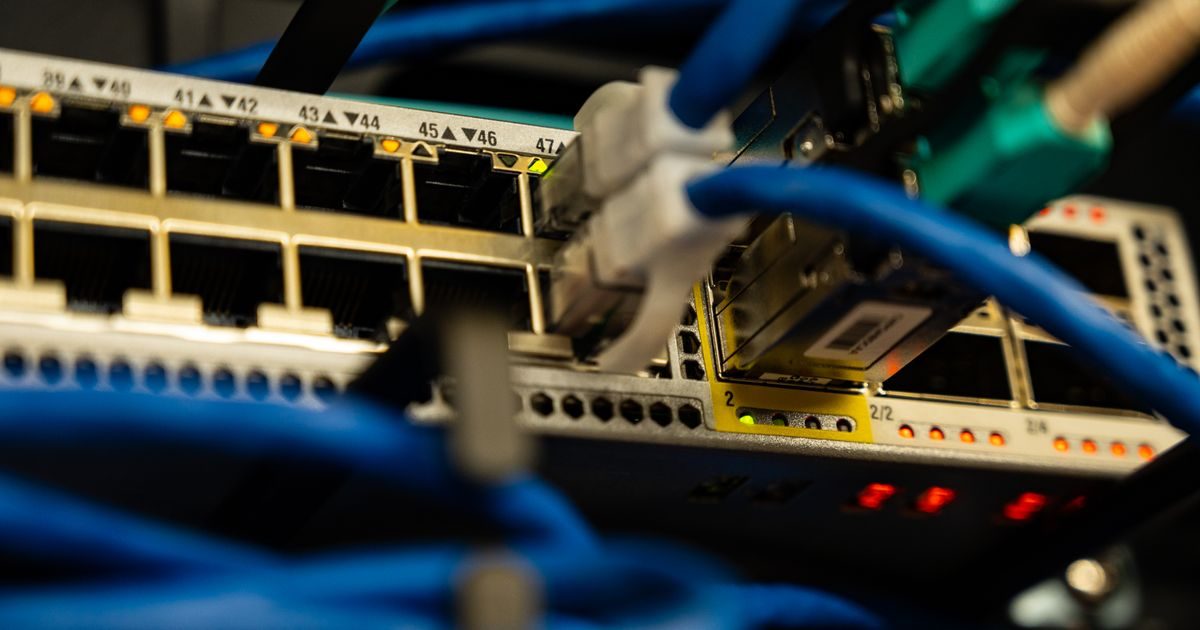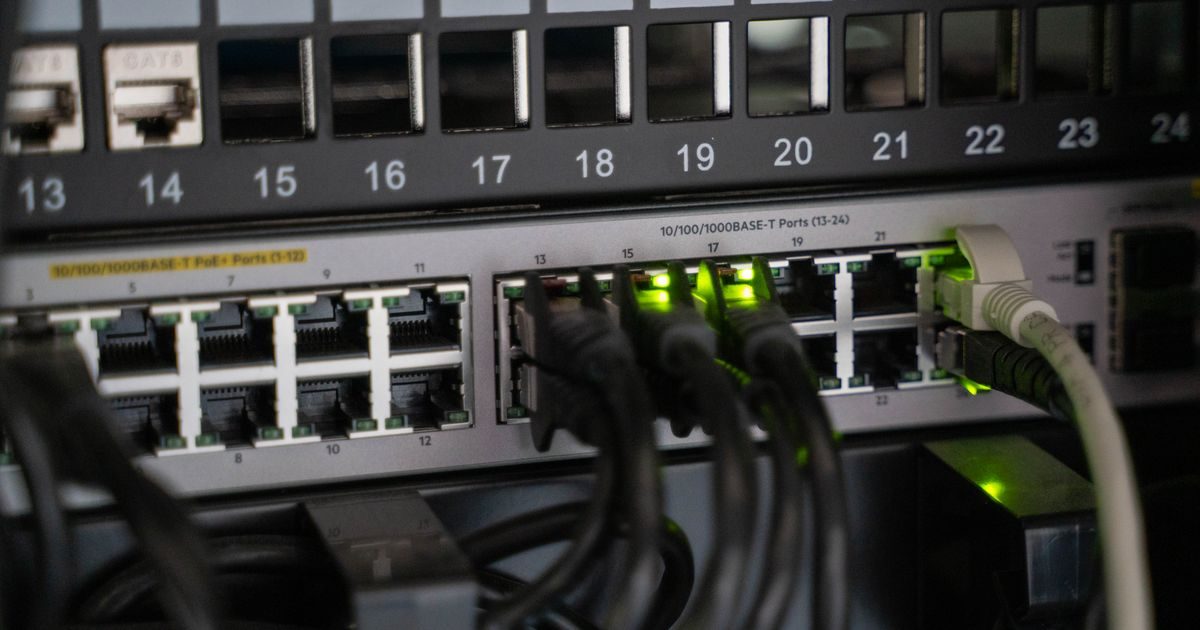
A VPS for a medical clinic in Monterrey is the minimum recommended infrastructure for hosting electronic health records, scheduling systems, and patient portals with the availability and security that Mexican health regulations require.
Monterrey is home to one of the country's largest private healthcare ecosystems: from solo practices in San Pedro Garza García to multi-specialty clinics in Cumbres or Santa Catarina. They all share a common denominator — they handle sensitive patient data and need systems that won't fail mid-consultation.
Why Does a Monterrey Clinic Need a VPS Instead of Shared Hosting?
The healthcare sector has requirements that shared hosting simply cannot meet:
- Critical availability: if the server goes down, doctors can't access the medical history of the patient sitting in front of them. A VPS with a 99.9% SLA drastically reduces that risk.
- Data isolation: on shared hosting, your database coexists on the same physical server as hundreds of other clients. For health data, that's unacceptable from both a security and compliance standpoint.
- NOM-024-SSA3-2012 compliance: this Mexican standard requires specific controls over the handling, storage, and transmission of electronic clinical records (ECR). A VPS lets you implement those controls; shared hosting does not.
- Predictable performance: medical imaging systems (DICOM, digital X-rays) consume significant bandwidth and storage. A VPS guarantees the resources you reserved.
NOM-024 and Electronic Clinical Records: What You Need to Know
NOM-024-SSA3-2012 regulates electronic health information registration systems in Mexico. The most relevant points for infrastructure:
- Records must be digitally signed to guarantee integrity and non-repudiation.
- The system must maintain an access log for each record (who, when, what action).
- Data must be backed up periodically and the backup must be tested.
- Access must be role-controlled: receptionist, physician, and administrator have different permissions.
- Data transmission must be encrypted (HTTPS/TLS).
None of this is impossible on a properly configured VPS. On the contrary: a VPS gives you full control to implement it. With shared hosting, you depend on the provider for almost everything.
Real Use Cases at Monterrey Clinics
Practices and Small Clinics (1–5 Physicians)
A dental clinic or general practice with a handful of doctors can run perfectly on a VPS with 2 GB RAM and 40 GB SSD. That plan supports software like OpenEMR (open-source electronic health records), an online appointment system, and the institutional website — all on the same server.
Mid-Size Polyclinics (6–20 Specialists)
With several physicians accessing the system simultaneously, you need at least 4 GB RAM and 80–160 GB of storage. If you handle study images (ultrasounds, digitized X-rays), consider an NVMe drive and an external storage bucket for larger files.
Diagnostic and Imaging Centers
Centers that store DICOM files (CT scans, MRIs) have very different storage needs. A VPS with 8 GB RAM and 500 GB to 1 TB is a starting point, but it's frequently complemented by a separate storage server (NAS or cloud object storage).
Recommended Specs and Costs for 2026
| Clinic type | vCPU | RAM | Storage | Approx. cost/month (MXN) |
|---|---|---|---|---|
| Practice with 1–3 physicians | 1-2 | 2 GB | 40 GB SSD | $250–$450 |
| Clinic with 4–10 specialists | 2-4 | 4 GB | 80–120 GB SSD | $550–$950 |
| Polyclinic or diagnostic center | 4-6 | 8 GB | 200–500 GB NVMe | $1,100–$2,000 |
For clinics in Monterrey, look for a provider with a datacenter in Querétaro or CDMX: latency to those cities from Monterrey is 20–40 ms, more than sufficient for web applications and record access. If the clinic uses medical video conferencing or telemedicine, guaranteed bandwidth is as important as RAM.
Essential Security for a Medical VPS
Health data falls into the most sensitive categories under Mexico's LFPDPPP. These measures are not optional:
- Encryption at rest and in transit: LUKS for the data volume and TLS 1.2+ for all connections. No plain HTTP, ever.
- SSH access via public key only from authorized IPs (your clinic, the system administrator). Fail2Ban active to block brute-force attempts.
- Encrypted and tested backups: schedule daily
mysqldumpplus weekly full VPS snapshots. Test the restore process at least once per quarter. A backup you've never restored is not a backup. - Automatic security updates enabled. The most common exploits target outdated software.
- Two-factor authentication (2FA) on the health records management web panel. Google Authenticator or equivalent.
The team at elenlace.com includes a security audit and hardening configuration in all their VPS management plans for the healthcare sector.
Steps to Deploy a VPS at Your Monterrey Clinic
- Define your systems: will you use OpenEMR, a proprietary system, or custom development? The choice determines PHP, Python, or Node.js requirements and the database version.
- Contract the VPS with the right plan: use the table above as a starting point. Make sure the provider offers at least a 99.9% SLA.
- Configure the operating system: Ubuntu 22.04 LTS is the most common choice for its support through 2027 and abundance of medical documentation. AlmaLinux 9 is a solid alternative if you prefer the Red Hat ecosystem.
- Install and configure the medical software: follow the installation guides from the vendor or the open-source project. Never use default credentials in production.
- Implement NOM-024 controls: access log, digital signature, role-based access control. Document the configuration for future audits.
- Train your staff: the best server in the world doesn't protect data if the receptionist uses "123456" as their password.
Find more technical resources in our VPS servers section to dive deeper into each configuration step.
Key Takeaways
- Medical clinics in Monterrey need a VPS — not shared hosting — to comply with NOM-024 and protect patient data.
- A VPS with 2 GB RAM and SSD is sufficient for a small practice; a polyclinic needs 4–8 GB or more if it handles medical imaging.
- Medical security means encryption at rest and in transit, SSH key authentication, tested backups, and 2FA on access systems.
- Look for a datacenter in Mexico (Querétaro or CDMX) to comply with LFPDPPP and maintain acceptable latency from Monterrey.
- Training staff is just as important as technical infrastructure: the weakest link is usually human.
Need to implement or migrate your clinic's records system to a secure VPS? Contact the team at elenlace.com — we configure servers for medical clinics meeting all Mexican security and regulatory standards.
FAQ
What is NOM-024 and does it apply to me as a small practice?
NOM-024-SSA3-2012 applies to all healthcare facilities that use electronic health information registration systems in Mexico, regardless of size. If you digitize your patients' clinical records, the standard applies to you.
Can I use a VPS abroad (US or Europe) for my Monterrey clinic?
Technically yes, but the LFPDPPP requires that the international transfer of sensitive personal data (such as health data) either has the data subject's consent or falls under one of the legal exceptions. To simplify compliance and reduce latency, a datacenter in Mexico is the recommended approach.
Does OpenEMR comply with NOM-024?
OpenEMR is a very comprehensive open-source electronic health record system, but NOM-024 evaluates the total system implementation, not just the software. You'll need to correctly configure the access log, digital signature, and role controls to achieve compliance. A local consultant can help you with the certification process.
What happens if the VPS goes down while patients are being seen?
You need a continuity plan: printed records of recent visits, an alternative appointment system (even a paper log), and a procedure for the provider to restore service within an hour. Quality VPS providers offer 24/7 monitoring and automatic restart in case of hardware failure.
Compare providers
Other providers and guides worth comparing: