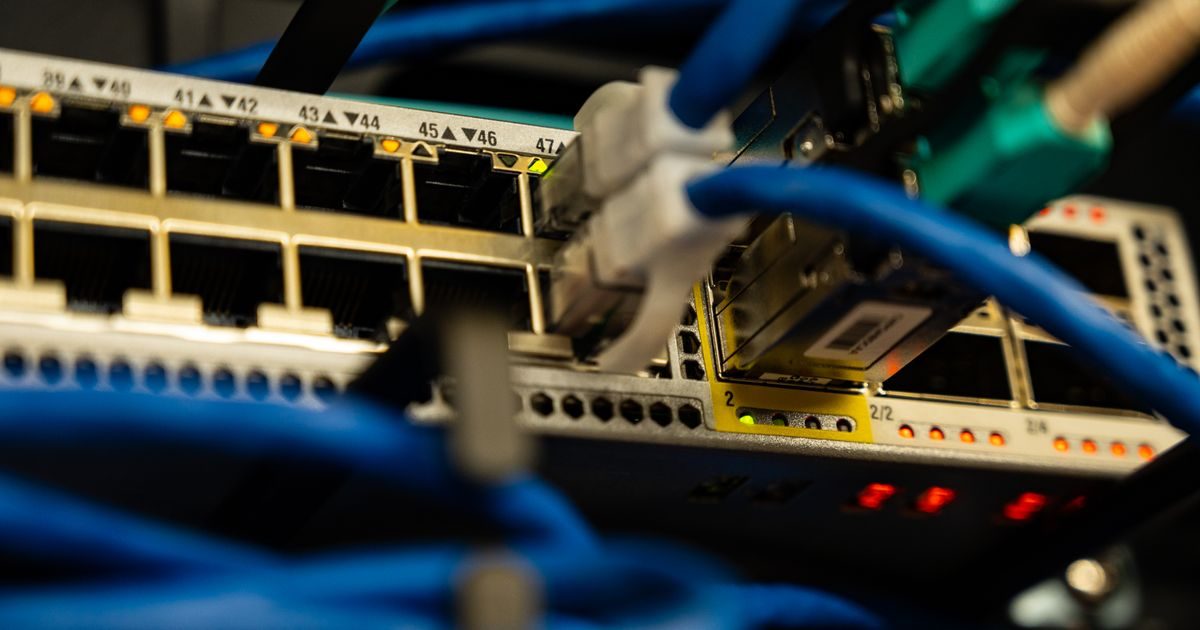
A VPS for a medical clinic in Mexico City is the most balanced option between cost and control when you need to host an electronic health record (EHR) system or an online appointment platform with guaranteed privacy. In short: your own isolated environment, with no noisy neighbors sharing resources and no foreign cloud administrators touching your patient data.
Why Does a Medical Practice Need Its Own Server?
Health data is the most sensitive category under Mexico's Federal Law on Protection of Personal Data Held by Private Parties (LFPDPPP). Hosting patient records on a generic shared server exposes the clinic to:
- Neighbors consuming all CPU during traffic spikes, slowing the appointment system exactly when it's most needed.
- Security configurations you cannot control (outdated PHP, third-party modules, loose permissions).
- Non-compliance with NOM-004-SSA3-2012 (clinical record standard) if data leaves Mexican territory without patient consent.
A VPS gives you a dedicated virtual machine: you choose the OS, configure the firewall, enable disk encryption, and keep data inside a datacenter located in Mexico.
Real Use Cases for CDMX Medical Offices
These are the most common scenarios a VPS solves for medical practices in the capital:
1. Electronic Health Record Systems
Platforms like OpenMRS, HIS Clinux, or custom PHP/MySQL builds require fast database access, concurrent sessions for multiple doctors, and automatic nightly backups. A VPS with 2 vCPU, 4 GB RAM, and NVMe storage comfortably handles a clinic with up to 10 active consultation rooms.
2. Online Scheduling and Appointment Booking
An appointment module accessible from the clinic's website — with email or SMS reminders — needs a server with its own domain and a valid SSL certificate. A VPS lets you install any open-source solution or your own custom build without provider restrictions.
3. Telemedicine and Video Consultations
If you offer video consultations (Jitsi Meet, BigBlueButton), a VPS in a Mexico City datacenter reduces latency for patients in the capital and metropolitan area, noticeably improving call quality.
Recommended Specifications by Clinic Size
| Size | vCPU | RAM | Storage | Typical Use |
|---|---|---|---|---|
| Solo practice | 1–2 | 2 GB | 40 GB SSD | Scheduling, basic EHR, email |
| Small clinic (2–5 doctors) | 2–4 | 4 GB | 80 GB NVMe | Multi-user EHR, web appointments, backups |
| Medical center (6–15 doctors) | 4–8 | 8 GB | 160 GB NVMe | Full HIS, telemedicine, lab integration |
Security and Regulatory Compliance
Security is non-negotiable with health data. On your VPS, implement at minimum:
- Encryption in transit: TLS/SSL certificate via Let's Encrypt (free and automatic).
- Encryption at rest: LUKS on the data volume or database-level encryption.
- Strict firewall: only ports 80, 443, and SSH (moved to a non-standard port) open.
- SSH access via public key, no passwords.
- Automated daily backups stored separately from the main VPS.
- Access logging (audit trails) to comply with the LFPDPPP.
If your EHR system supports it, enable two-factor authentication (2FA) for all staff. Credential attacks are the most common entry point in small healthcare systems.
For larger projects or when you need expert guidance on secure infrastructure, the team at elenlace.com can help you design the right architecture from day one.
How to Choose a VPS Provider for Healthcare in CDMX
Not all providers are equal when it comes to health data. Evaluate these points before signing up:
- Datacenter in Mexico: data stays under Mexican jurisdiction, simplifying LFPDPPP compliance.
- Uptime SLA ≥ 99.9%: a downed appointment system means lost patients and damaged reputation.
- Backups included or available as an add-on: check frequency and minimum retention (at least 7 days).
- Spanish-language technical support with a defined response time in the contract.
- Ability to scale RAM and CPU without migrating servers: your practice will grow.
Browse comparisons and more specialist guides in our VPS servers for Mexican businesses section.
Key Takeaways
- A VPS is the most suitable option for medical practices handling electronic records and online appointments: more control and security than shared hosting, at a lower cost than a dedicated server.
- Always choose a datacenter located in Mexico to comply with the LFPDPPP and NOM-004-SSA3-2012.
- The recommended minimum size is 2 vCPU / 4 GB RAM / 80 GB NVMe for a clinic with up to 5 doctors.
- Implement encryption, firewall, SSH key auth, and automated backups from day one — do not leave it for later.
- Scale resources as the practice grows; most providers allow this without downtime.
Ready to protect your patients' data with the right infrastructure? Contact the specialists at elenlace.com and get a tailored proposal for your Mexico City clinic.
FAQ
Does a VPS comply with Mexican clinical record regulations?
Yes, provided the datacenter is in Mexico and you implement the security measures required by the LFPDPPP and NOM-004-SSA3-2012: encryption, access control, audit logs, and backups. A VPS gives you the technical control to do this; shared hosting generally does not.
How much does a suitable VPS for a medical office cost?
A VPS with 2 vCPU, 4 GB RAM, and 80 GB NVMe from a Mexican provider typically costs between MXN $250 and $500 per month depending on the provider. That is a small investment compared to the cost of a data breach or a regulatory fine.
Do I need Linux server knowledge to manage the VPS?
It depends on the plan. A managed VPS includes technical support, updates, and basic configuration from the provider. If you prefer to focus on medical practice, choose a managed plan or control the server through a panel like cPanel or Plesk.
What happens if the VPS goes down during office hours?
A good provider guarantees 99.9% uptime (fewer than 9 hours of downtime per year). Additionally, with daily snapshots you can restore the system in minutes. Always keep a manual contingency procedure (paper schedule or offline app) for extreme situations.
Further reading
Other providers and guides worth comparing: