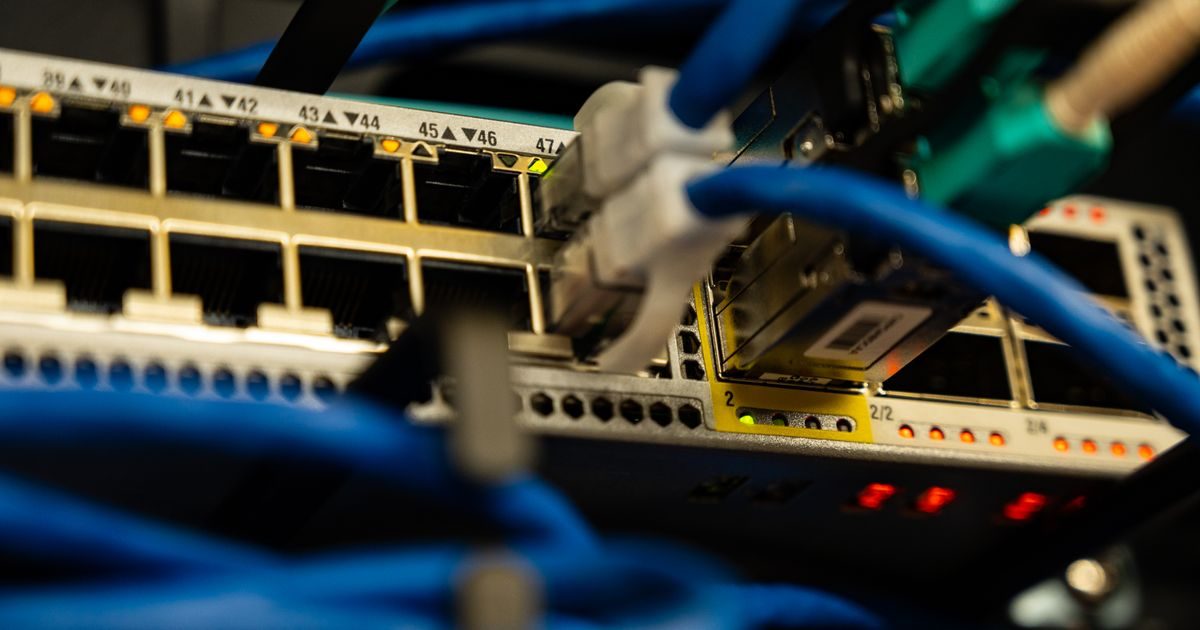
A VPS server for restaurants in Guadalajara solves the number-one problem for food businesses with a digital presence: the ordering or reservation platform that crashes right at peak hour. With a VPS you get dedicated resources, predictable speed, and full control over your environment — without sharing CPU or RAM with dozens of unknown neighbors.
Why a Guadalajara Restaurant Needs a VPS, Not Shared Hosting
Shared hosting works fine for a static presentation site. But the moment you add an online ordering system, a reservations plugin, or an interactive menu with high-resolution photos, the limitations show up fast.
- Guaranteed resources: On a VPS, your 2 GB of RAM and 2 vCPUs are yours. Nobody else consumes them.
- Faster response times: Pages load in milliseconds, not seconds — critical when a hungry customer is waiting to confirm their order.
- Higher uptime: With a 99.9 % SLA you can advertise online ordering without worrying about outages on a Friday night.
- Software control: Install the reservation system you choose, configure the PHP version you need, enable SSL without restrictions.
For a Guadalajara restaurant already handling 50 or more digital orders a day, moving from shared to VPS pays for itself in customer loyalty alone.
Real Use Cases: What Restaurants Run on Their VPS
Here are the most common scenarios we see in Guadalajara food businesses:
In-house online ordering system
Platforms like WooCommerce with a food ordering plugin, or custom PHP solutions, require a fast MySQL/MariaDB database and access to job queues for WhatsApp or email notifications. A VPS with 2–4 GB of RAM handles up to 200 simultaneous orders comfortably.
Integrated reservations engine
Self-hosted plugins like Amelia or open-source alternatives install directly on the server. You accept bookings 24/7, send automatic confirmations, and sync with your internal calendar — without paying commissions to third-party platforms.
Digital menu with optimized images
An online menu with photos of every dish can add several MB per visit. On a VPS you can enable server-side caching (Redis or Varnish) and a CDN, cutting load times to under 2 seconds even on mobile.
Delivery platform integration
Some restaurants use their VPS as middleware: they receive orders from Rappi or Uber Eats via webhook and inject them directly into their kitchen display system. This requires access to specific ports and reliable cron jobs — impossible on shared hosting.
Recommended Configuration for a Guadalajara Restaurant
| Scenario | RAM | vCPU | Storage | Bandwidth |
|---|---|---|---|---|
| Site + menu + reservations (starting out) | 2 GB | 1–2 | 40 GB SSD | 2 TB/mo |
| Active online orders (up to 100/day) | 4 GB | 2 | 60 GB SSD | 3 TB/mo |
| Multi-branch or multilingual menu | 8 GB | 4 | 80 GB SSD | 5 TB/mo |
If your restaurant serves the greater Guadalajara metro area (Zapopan, Tonalá, Tlaquepaque), choose a provider with a datacenter in Mexico or nearby in Dallas/Houston for low latency across the Bajío region.
Migration Checklist: From Shared Hosting to VPS
- Take a full backup (files + database) before moving anything.
- Provision the VPS and set up LAMP or LEMP (Nginx is often more efficient for restaurant sites with traffic spikes).
- Transfer files via SFTP or rsync; export and import the database.
- Update DNS 24–48 hours before your busiest service window so propagation doesn't catch you on a Friday night.
- Enable SSL (Let's Encrypt or a commercial certificate) and test the full order flow before announcing the change.
- Set up daily automated backups — a restaurant cannot afford to lose its order history.
Need help with the migration or designing your ordering system? The team at elenlace.com — hospitality web specialists can walk you through every step.
Key Takeaways
- Shared hosting is not enough for a restaurant with active online orders or reservations.
- A 2–4 GB RAM VPS is the right entry point for most Guadalajara restaurants.
- Dedicated resources mean faster menus, no lost orders, and instant reservation confirmations.
- Webhooks and cron jobs — essential for automatic notifications — require server-level control.
- A Mexican datacenter delivers the lowest latency for customers in Guadalajara and the ZMG.
If your restaurant already takes online orders — or plans to launch them this year — now is the right time to make the move. Explore VPS server options for local businesses and pick the plan that matches your order volume.
FAQ
How much does a VPS for a restaurant in Guadalajara cost?
Entry-level plans (2 GB RAM, 2 vCPU, 40 GB SSD) run between $8 and $20 USD per month with providers that have datacenters in Mexico or the nearby US. The cost pays for itself quickly if it prevents even one outage during a busy service.
Do I need technical skills to manage a VPS?
It depends on the VPS type. Managed VPS plans include provider support for the base setup and system updates. If you prefer full control, an unmanaged VPS with a control panel like cPanel or Plesk flattens the learning curve considerably.
Can I use the VPS only for reservations and keep my site on shared hosting?
Yes, but it's not ideal. Maintaining two separate environments complicates upkeep. The most efficient approach is to consolidate your site, menu, orders, and reservations on the same VPS using subdomains or subdirectories.
Is a VPS in Mexico better than one in the US for my restaurant?
For customers in Guadalajara and the ZMG, a datacenter in Querétaro or Mexico City can cut latency to under 10 ms. A Dallas datacenter runs around 30–50 ms, which is still acceptable. The deciding factors are the SLA quality and whether support is available in Spanish.
Prefer it done for you? El Enlace handles hosting and professional web development.
Compare providers
Other providers and guides worth comparing: