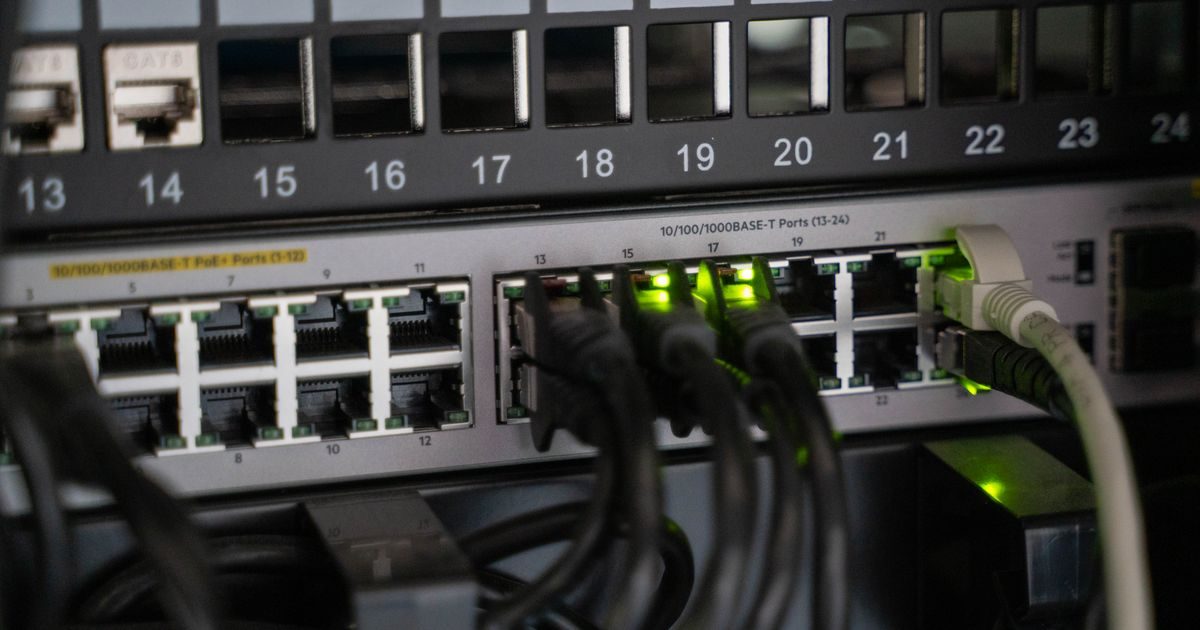
A VPS for an email server in Mexico needs at least 1 GB of RAM, 20 GB of SSD storage, a dedicated IP with a clean reputation, and reverse DNS configured. That covers most use cases; for multiple domains or thousands of mailboxes, scale to 2 GB RAM and 40 GB disk.
Running your own mail server gives you full control — unlimited domains, no per-mailbox fees, no vendor lock-in. The trade-off is responsibility: if your IP lands on a blacklist, your emails bounce. This guide lays out exactly what you need and what it costs to do it right in Mexico.
Why Use a VPS for Your Own Email Server?
Managed email solutions like Google Workspace or Microsoft 365 charge per user per month. For a 20-person company that's easily $150–$300 USD monthly. A VPS running Postfix + Dovecot can serve the entire company for $10–$30 USD per month.
Other concrete reasons to go self-hosted:
- Domain ownership: @yourcompany.com addresses without third-party dependency.
- Data privacy: messages never pass through Google or Microsoft servers.
- Customization: routing rules, custom spam filters, and storage exactly as you need it.
- Compliance: useful for industries where data must remain in-country.
The main downside is administration. You need someone who can set up SPF, DKIM, DMARC, and monitor blacklists. If that resource isn't available, a managed service may be more practical.
Minimum VPS Technical Requirements
These are the specs that determine whether your email lands in the inbox or in spam:
| Parameter | Minimum | Recommended |
|---|---|---|
| RAM | 1 GB | 2 GB |
| CPU | 1 vCPU | 2 vCPU |
| Storage | 20 GB SSD | 40 GB SSD |
| Monthly transfer | 1 TB | 2 TB |
| Dedicated IP | Required | Verified clean IP |
| Port 25 open | Required | Confirm with provider |
| Reverse DNS (PTR) | Required | Point to your hostname |
Dedicated IP and Reputation
This is the most common failure point. Many budget VPS providers reuse IP blocks that were previously used for spam. Before signing up, check the IP with MXToolbox or Spamhaus. A blacklisted IP means your emails go to spam no matter how well the server is configured.
Port 25 Unblocked
Port 25 is the standard for mail delivery between servers (SMTP). Many providers block it by default to prevent spam from their networks. Confirm explicitly with the provider that port 25 can be enabled on your VPS before you commit.
Reverse DNS (PTR Record)
The PTR record maps your IP back to your server's hostname. Gmail, Outlook, and other major providers reject mail from IPs without a valid PTR. Your VPS provider must allow you to set this — or do it for you upon request.
Recommended Mail Server Software
On Linux (Ubuntu or Debian are most common for this use case), the most stable and well-documented stack is:
- Postfix: MTA (mail transfer agent) for sending and receiving via SMTP.
- Dovecot: IMAP/POP3 server so mail clients can connect to mailboxes.
- Rspamd or SpamAssassin: spam filtering before messages are accepted.
- OpenDKIM: digital signing of outgoing messages for DKIM authentication.
- Fail2Ban: blocks brute-force attempts on mail ports.
If you prefer a web interface for account management, iRedMail or Mailcow install the full stack in minutes with an admin panel included. Mailcow uses Docker and requires at least 2 GB of RAM.
VPS Pricing for Email in Mexico (2025)
The Mexican market has options priced in pesos and dollars. Local providers in MXN offer more stability against exchange rate fluctuations:
| Plan | RAM | SSD | Approx. price / month | Port 25? |
|---|---|---|---|---|
| Basic VPS | 1 GB | 25 GB | $9–$15 USD | Ask first |
| Standard VPS | 2 GB | 40 GB | $18–$28 USD | Usually yes |
| Managed Mail VPS | 2 GB | 40 GB | $30–$60 USD | Yes, managed |
Providers with datacenters in Mexico (Guadalajara or Mexico City) deliver lower latency for local users — important if your team accesses email from offices across the country. Browse more options in our VPS servers in Mexico guide.
If you want expert help selecting and configuring the right VPS, the team at elenlace.com will evaluate your needs at no cost and recommend the most efficient solution for your budget.
Pre-Purchase Checklist
- Verify the assigned IP is not on Spamhaus or Barracuda blacklists.
- Confirm the provider allows port 25 to be opened on request.
- Ask about PTR record configuration — either self-serve in the panel or via support ticket.
- Choose a Mexico datacenter if your users are in-country.
- Check the uptime SLA — a downed mail server means downed communications.
- Ensure automatic backups of mailbox directories are included or configurable.
Key takeaways
- A 1–2 GB RAM VPS with a clean dedicated IP is sufficient for most Mexican businesses.
- Open port 25 and a valid PTR record are non-negotiable for deliverability.
- Check IP reputation before signing up, not after the fact.
- Monthly VPS costs are 5–10x lower than per-user managed email solutions.
- Stacks like iRedMail or Mailcow simplify setup if you don't have deep Linux experience.
Ready to set up your own mail server? Reach out to us at elenlace.com — we'll help you choose the right VPS, migrate your existing mailboxes, and get everything running without downtime.
FAQ
Do I need advanced Linux skills to manage an email server?
Intermediate skills are sufficient if you use iRedMail or Mailcow, which automate most of the configuration. For advanced customization or deliverability troubleshooting, having a sysadmin or contracted support is advisable.
Is self-hosting email legal in Mexico?
Yes, completely legal. Mexican telecommunications law does not restrict individuals or businesses from running their own mail infrastructure. You must comply with data protection law (LFPDPPP) if you process third-party personal data.
How long does it take to set up an email server on a VPS?
With iRedMail, the base installation takes 30–60 minutes. Properly configuring SPF, DKIM, DMARC, and running deliverability tests takes an additional 2–4 hours. Migrating existing mailboxes depends on data volume.
What happens if my IP gets blacklisted?
Emails you send will be marked as spam or rejected outright. You need to identify which list flagged you (MXToolbox shows this), fix the root cause — typically spam that originated from the server — then request removal on each blacklist's website. The process takes anywhere from 24 hours to several days.
Useful resources
Other providers and guides worth comparing: