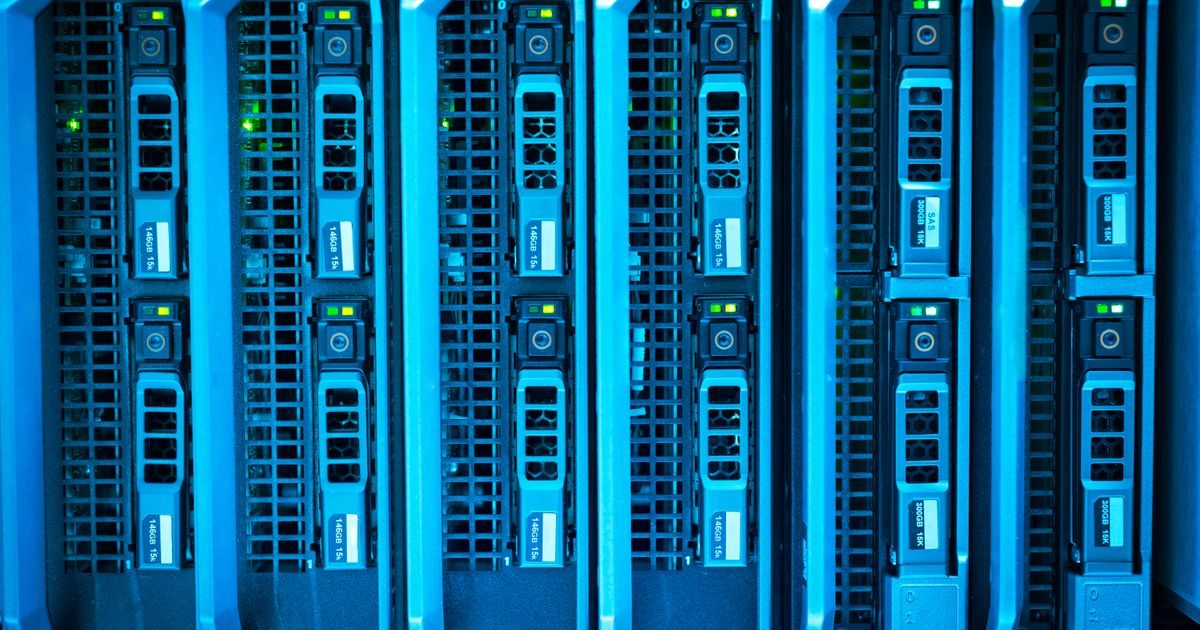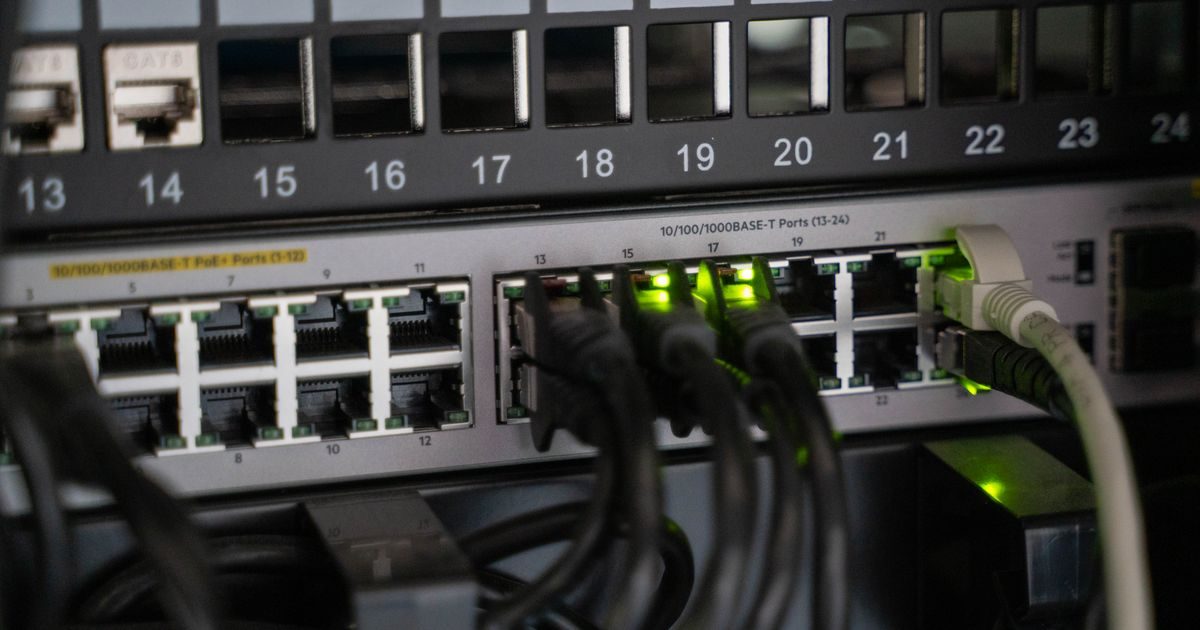
Server colocation is a service where a company installs its own physical hardware inside a third-party datacenter, paying only for rack space, power, and network connectivity. The equipment remains yours; the facility belongs to the provider.
If you've ever wondered whether buying your own servers and "housing them offsite" makes sense compared to a VPS or cloud, this guide answers exactly that.
How Server Colocation Works
In a standard colocation contract, the datacenter provides:
- Physical space — measured in rack units (U). The most common options: 1U, 2U, or a half/full rack.
- Electrical power — with redundancy (UPS systems + diesel generators).
- Cooling — precision air conditioning to maintain optimal temperatures.
- Internet connectivity — guaranteed or committed bandwidth, with multiple transit providers for network redundancy.
- Physical security — biometric access control, CCTV, and on-site staff 24/7.
You bring your server, rack it in the assigned space, configure the operating system, and manage everything remotely. The datacenter guarantees the power stays on and the internet keeps running.
Colocation vs. Other Hosting Options
| Feature | Colocation | Rented Dedicated Server | VPS / Cloud |
|---|---|---|---|
| Hardware ownership | Yours | Provider's | Provider's |
| Full OS control | Yes | Yes | Partial (VPS) / Yes (dedicated) |
| Upfront cost | High (hardware purchase) | Low | Very low |
| Monthly recurring cost | Low (space + network only) | Medium-high | Variable |
| Immediate scalability | Limited to physical hardware | Medium | High |
| Latency for local users | Excellent (local datacenter) | Depends on provider | Depends on region |
For more comparisons between server types, browse our VPS servers and hosting guides.
When Does Server Colocation Make Sense?
Colocation isn't for everyone. It makes sense when one or more of these conditions apply:
You Already Own Hardware
If your company has purchased physical servers but doesn't want to manage an in-house server room — with its own air conditioning, UPS, security, and administration overhead — colocation is the natural exit. You leverage equipment you've already paid for without the facility headaches.
You Need Predictable, Exclusive Performance
In the cloud, you share resources with noisy neighbors. With colocation, the CPU, RAM, and storage are exclusively yours. For critical databases, compute-intensive platforms, or financial applications, that predictability is worth a premium.
Long-Term Costs Favor the Break-Even Point
Buying your own server and colocating it can pay off within 18–36 months compared to renting equivalent cloud resources. If your project has a long lifespan and a stable workload, the numbers typically favor colocation from year three onward.
Compliance or Data Sovereignty Requirements
Some industries — fintech, healthcare, government — require data to reside in a specific country or on hardware the organization physically controls. Colocation satisfies that requirement without building your own datacenter.
Typical Colocation Pricing
Costs vary by datacenter location and contracted power. Approximate ranges in Mexico:
- 1U in shared rack: MXN 800 – 2,500 / month
- 2U: MXN 1,500 – 4,000 / month
- Half rack (20–22U): MXN 6,000 – 18,000 / month
- Full rack (42U): MXN 10,000 – 35,000 / month
- Bandwidth: may be billed per committed Mbps or per GB consumed
These prices exclude hardware. An entry-level server (Xeon E, 32 GB RAM, 2× SSD) starts around MXN 20,000–40,000 new, or roughly half that refurbished.
What to Evaluate Before Choosing a Colocation Provider
- Datacenter Tier — Tier III or IV guarantees electrical and network redundancy.
- Uptime SLA — look for at least 99.9 %; the best providers offer 99.99 %.
- Remote hands service — can staff reboot your server at 3 a.m.? At what cost?
- Out-of-band access (KVM over IP / IPMI) — essential for managing without visiting the datacenter.
- Contract terms — is there a minimum commitment? Early-termination penalties?
- Location and latency — for users in Mexico, a datacenter in CDMX or Querétaro typically delivers the best latency.
Not sure whether colocation, a VPS, or a rented dedicated server is the right fit? The specialists at elenlace.com can help you compare options and calculate total cost of ownership.
Key Takeaways
- Colocation = your hardware in someone else's datacenter. You pay for space, power, and network — not the building.
- It makes sense when you already own equipment, need exclusive hardware, or want to amortize costs over the long term.
- It's not the most agile option: scaling requires buying more physical hardware.
- Evaluate datacenter Tier, uptime SLA, and remote-hands support before signing.
- For Mexico-based projects, choose a local datacenter to minimize latency.
Ready to find out if server colocation fits your infrastructure? Reach out to the elenlace.com team for a free, no-commitment evaluation.
FAQ
What is the difference between colocation and a rented dedicated server?
With colocation, the hardware is yours and you only pay for rack space and connectivity. With a rented dedicated server, the provider owns the equipment and leases it to you — no upfront purchase, but you never own the hardware.
Do I need to visit the datacenter to manage my colocated server?
Not usually. Most tasks are handled remotely via SSH, a control panel, KVM over IP, or IPMI. You'd only need an on-site visit — or to arrange remote-hands service — when you need to swap physical components like a NIC or a drive.
Is colocation cheaper than the cloud?
It depends on your time horizon and workload. In the short term, the cloud wins because there's no upfront investment. Over 36+ months with stable, high-compute workloads, colocation is typically much more cost-effective.
What happens if my server fails at 3 a.m.?
A quality datacenter offers remote-hands service: on-site technical staff available 24/7 who can reboot equipment, swap cables, or connect a KVM console. This service may carry an hourly fee or be bundled into your plan.
Useful resources
Other providers and guides worth comparing: