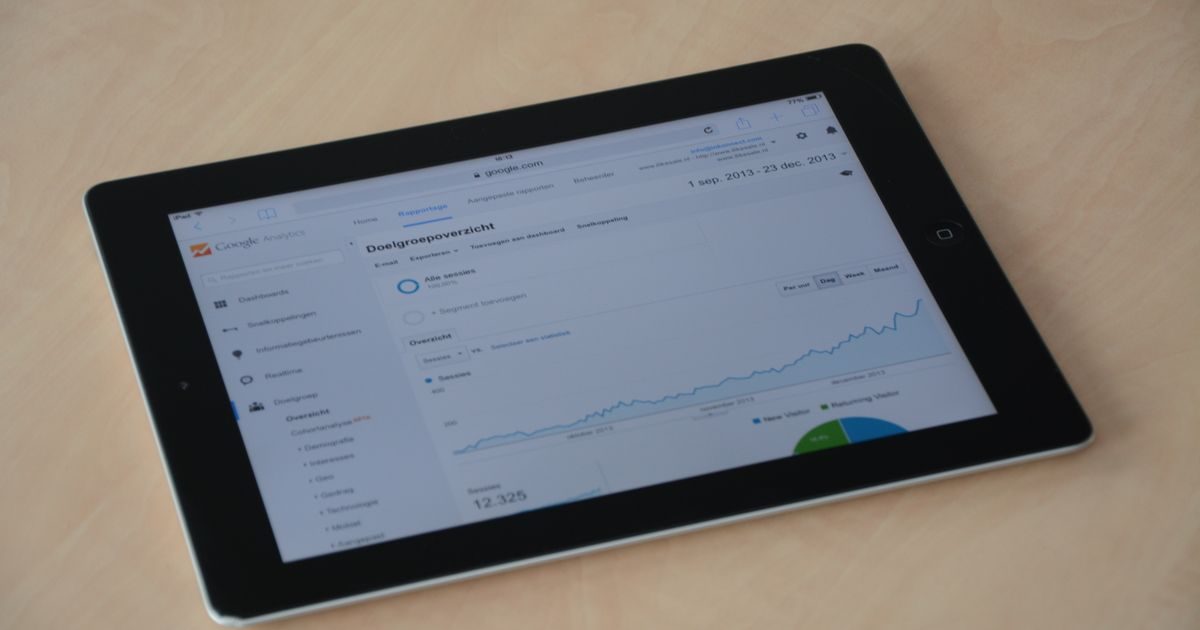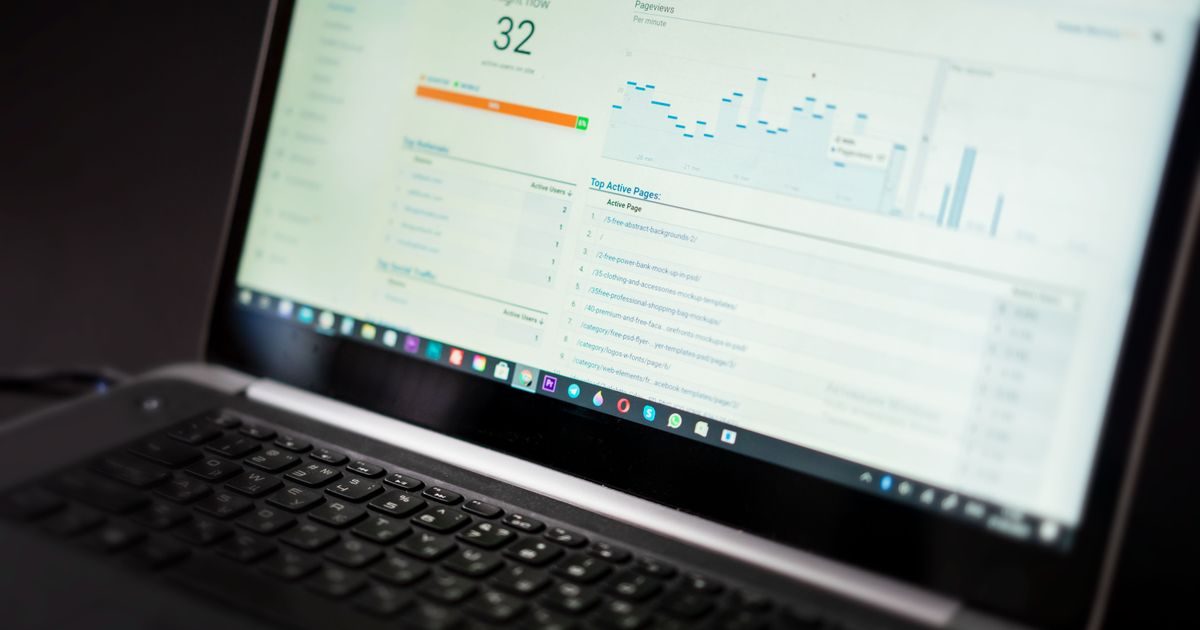
A slow website kills conversions. For a startup in Merida competing with both local businesses and global platforms, every extra second of load time costs you visits, signups, and revenue. The good news: most speed problems are solved with configuration, not with budget.
Why Do Merida Startups End Up with Slow Websites?
Before applying fixes, it helps to understand the root causes. In the Yucatan startup scene, the patterns that repeat most often are:
- Low-cost shared hosting chosen at the MVP stage and never upgraded.
- Servers in Miami or Dallas with no CDN, adding latency for users on the Yucatan Peninsula.
- Uncompressed images uploaded straight from a phone or team camera.
- WordPress with dozens of active plugins triggering unnecessary database queries.
- No caching at all — no page cache, no object cache, no browser cache headers.
Quick Diagnosis: What to Measure and How
Before touching any configuration, measure. The most useful free tools for this audit are:
- Google PageSpeed Insights — scores Core Web Vitals (LCP, INP, CLS) using real Chrome user data.
- GTmetrix — lets you choose the test node; pick Dallas to simulate visitors from southeastern Mexico.
- WebPageTest — advanced tests with a detailed waterfall; great for finding render-blocking resources.
Record your baseline LCP (Largest Contentful Paint) and TTFB (Time to First Byte). Those two numbers tell you whether the problem is your server or your front-end.
The 5 Highest-Impact Optimizations for Startups
1. Compress and Convert Images to WebP
Images account for 50–70% of a typical page's weight. Converting to WebP cuts that weight by 25–35% versus JPEG with no perceptible quality loss.
- On WordPress: Imagify or ShortPixel handle this automatically.
- On custom sites: use
cwebpon the server or the browser-based Squoosh tool. - Add
loading="lazy"to every image below the fold.
2. Enable Page Cache and Browser Cache
Without caching, every visit triggers the same server work. With proper caching in place, most pages are served from disk or from the visitor's own browser memory.
- On Apache/cPanel: add
Cache-ControlandExpiresdirectives to.htaccess. - On WordPress: WP Rocket (paid) or W3 Total Cache (free) are the most battle-tested options.
- Target
Cache-Control: max-age=31536000headers for static assets (JS, CSS, images).
3. Use a CDN to Bring Files Closer to Your Visitor
If your server is in Dallas and your customer is in Merida, content travels roughly 1,800 km. A CDN with a point of presence in Mexico (Cloudflare, BunnyCDN, and KeyCDN all have nodes in Mexico City) dramatically shortens that journey.
Cloudflare's free plan already delivers CDN, minification, and basic attack protection. For startups on a tight budget, it's the mandatory first step. If you'd rather have it configured correctly from day one, a web optimization specialist like elenlace.com can have your CDN running in a few hours.
4. Minify CSS, JavaScript, and HTML
Minification strips spaces, line breaks, and comments from code, shrinking download size by 10–30%. It's a free gain with no downside when done with the right tools.
- On WordPress: WP Rocket or Autoptimize enable this with a single click.
- In other environments: build tools like Vite, Webpack, or esbuild handle it in the build pipeline.
5. Choose (or Migrate to) the Right Hosting for Your Stage
Shared hosting is fine for an MVP. Once you have real user traction, the server often becomes the bottleneck. Practical options for Mexican startups:
| Type | When to use it | Monthly price range (MXN) |
|---|---|---|
| Shared (SSD) | MVP, up to ~5,000 visits/month | $80–$250 |
| Managed VPS | Launched product, growing traffic | $500–$1,500 |
| Cloud (DigitalOcean / AWS Lightsail) | Variable scale, technical teams | $300–$2,000+ |
Real Cases: What Yucatan Startups Actually Did
Two patterns we see regularly with clients in the region:
Case A — Medical scheduling SaaS: LCP of 8.2 s on mobile. Root cause: a 3 MB PNG hero image with no caching. Fix: convert to WebP, lazy-load secondary images, activate Cloudflare Free. Result: LCP dropped to 2.1 s within three days.
Case B — Artisan marketplace: TTFB of 1.9 s on shared hosting. Migration to a LiteSpeed VPS with Redis object cache. TTFB dropped to 280 ms. Mobile sales grew 22% in the first month after the migration.
For more resources on web performance tailored to regional businesses, visit the performance section of this blog.
Key Takeaways
- Measure first: LCP and TTFB are the two indicators that matter most for diagnosing whether the problem is server-side or front-end.
- Unoptimized images are the single most common cause of slow pages in startups with lean tech teams.
- A free CDN (Cloudflare) is the highest-impact, lowest-effort change for startups with Mexican traffic.
- A well-configured page cache can multiply your server's response capacity by 5–10x without changing your hosting plan.
- Shared hosting is temporary: plan your migration before it becomes an emergency.
If your Merida startup needs to go from a slow site to one that actually converts, the elenlace.com team offers audits and implementation with clear timelines and measurable results.
FAQ
How quickly will I see speed improvements?
Image and caching optimizations show up immediately — within minutes to a few hours. Hosting or CDN changes can take 24–48 hours to fully propagate through DNS.
Do I need a developer to make these optimizations?
Several — like enabling Cloudflare, installing a caching plugin, or compressing images — can be done by a non-technical founder following a guide. Server migration and server-level configuration do require technical skills or a trusted provider.
Does website speed affect Google SEO rankings?
Yes. Core Web Vitals (LCP, INP, CLS) are confirmed ranking signals. A fast site has a concrete advantage over slower competitors, especially in mobile searches.
Is Cloudflare's free CDN enough for a startup?
For most early-stage or growth-stage startups, yes. It provides a global CDN, automatic minification, basic DDoS protection, and static asset caching at no cost. Paid plans add advanced rules and analytics, but they're not necessary from day one.
Further reading
Other providers and guides worth comparing: