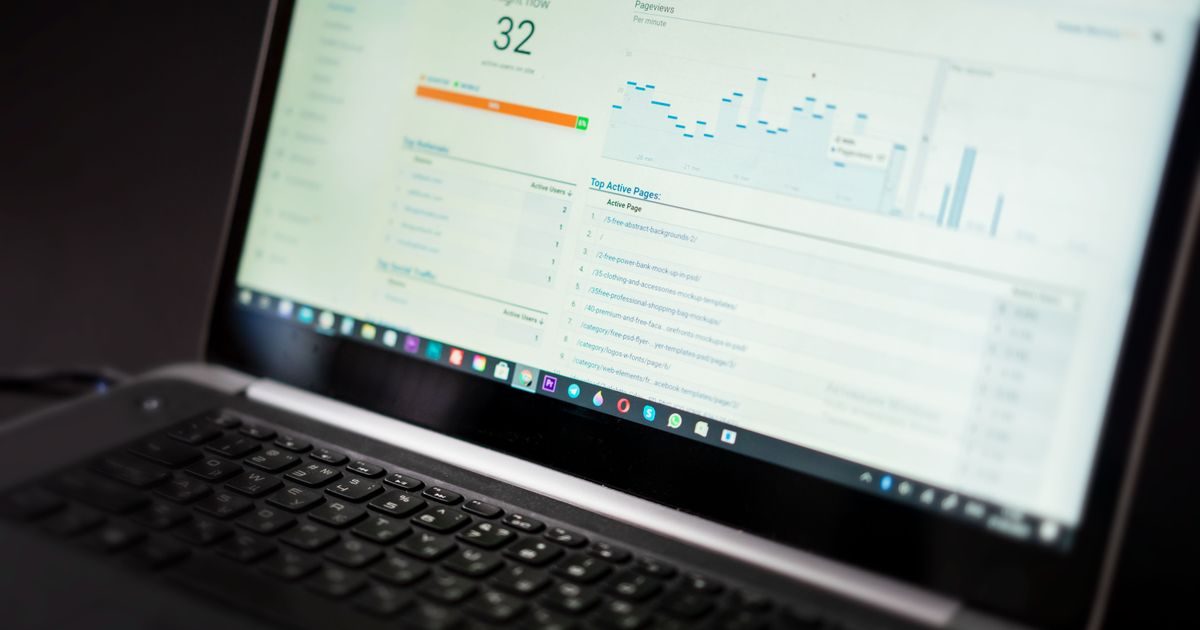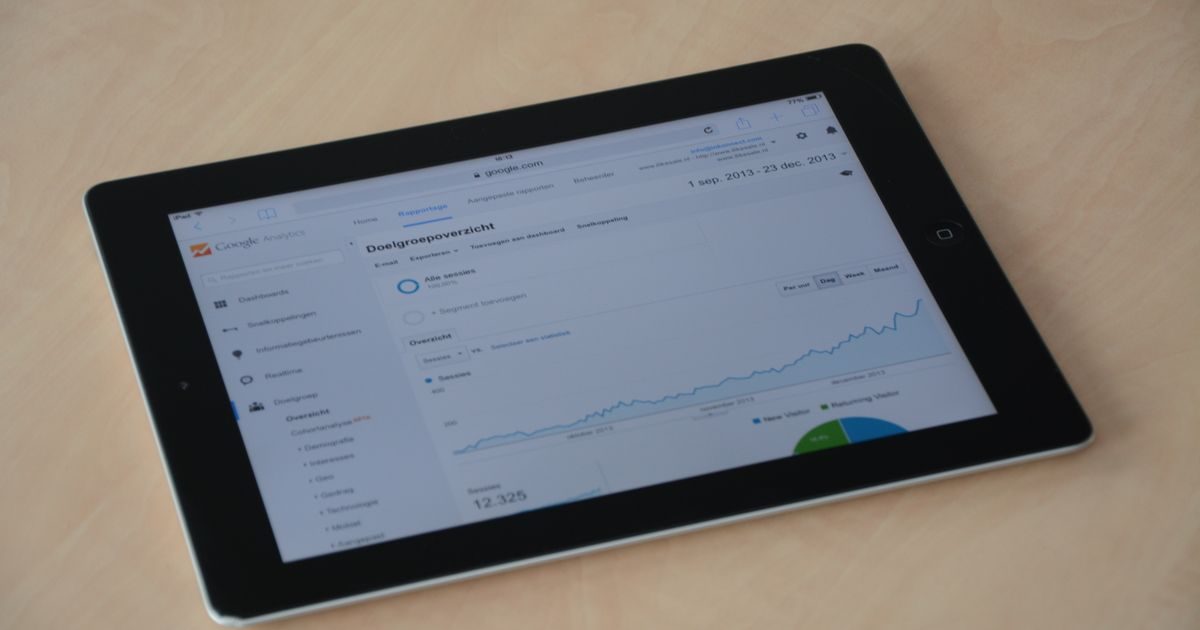
A hosting plan with servers located in Mexico delivers 5–30 ms latency for local visitors, compared to 120–200 ms from a U.S. or European data center. That gap translates directly into faster pages, a lower TTFB, and stronger Google rankings.
Why Server Location Matters
Latency is the time it takes a data packet to travel from a user's browser to your server and back. No software can overcome the laws of physics — physical distance sets the floor.
For any business serving customers in Mexico — an online store in CDMX, a clinic in Monterrey, or a creative agency in Guadalajara — server location is the easiest performance lever to pull.
- TTFB (Time to First Byte): Google considers a TTFB under 800 ms "good." With a Mexico-based server you can realistically hit 80–200 ms.
- LCP (Largest Contentful Paint): A low TTFB is a prerequisite for a green LCP (<2.5 s).
- Bounce rate: Google research shows each extra second of load time increases bounce rate by up to 32%.
Types of Mexico-Based Hosting Plans
The local market offers three main categories for businesses that need low latency:
| Plan type | Typical latency (MX) | Est. monthly price | Best for |
|---|---|---|---|
| Shared hosting (MX) | 15–40 ms | MXN $79–$299 | Informational sites, blogs, landing pages |
| VPS in MX datacenter | 8–25 ms | MXN $450–$1,800 | E-commerce, SaaS, medium-traffic portals |
| Dedicated server (MX) | 5–15 ms | MXN $3,500–$12,000 | Mission-critical apps, high concurrent traffic |
The most commonly used data centers in Mexico are in the Mexico City metro area, with fiber connectivity via Telmex, Axtel, and Infinitum reaching all major states in under 15 additional milliseconds.
What to Look for in a Mexico Hosting Plan
Not every provider that claims "servers in Mexico" offers the same guarantees. Check these points before signing up:
1. Confirm the physical datacenter location
Ask for — or look up — the provider's ASN (Autonomous System Number). Tools and specialists like the optimization team at elenlace.com can run a technical audit before you commit to a migration.
2. NVMe SSD or at least SATA SSD storage
Mechanical hard drives add internal latency. Demand NVMe as a minimum for VPS and dedicated plans; for shared hosting, at least SATA SSD.
3. Modern PHP and OPcache enabled
PHP 8.2+ with OPcache active can cut script execution time by 40–60% compared to PHP 7.4 without bytecode caching.
4. Guaranteed bandwidth vs. "best effort"
Some providers share an outbound link among dozens of customers. Ask for the minimum guaranteed bandwidth, not the "up to X Mbps" marketing figure.
5. Support during Mexico business hours
An incident at 2 a.m. CDMX time can't wait for a team waking up in Europe or Asia. Verify support hours and emergency channels before you buy.
Pair a Mexico Server with a CDN for Full Coverage
A server in CDMX is ideal for Mexican visitors, but what about users coming from Spain, Argentina, or the U.S.? The answer is a CDN (Content Delivery Network).
- The origin server in Mexico serves dynamic content (PHP, database queries).
- The CDN distributes static assets (images, CSS, JS) from global edge nodes.
- Cloudflare Free or Pro is the most common choice: it activates compression, HTTP/2, and automatic minification.
This combination gives you the best of both worlds: ultra-low latency for your local audience and reasonable load times for international visitors. Explore more strategies in the performance category of this blog.
Key Takeaways
- A physically Mexico-based server delivers 5–40 ms latency for local users, versus 120–200 ms from the U.S.
- Server location directly impacts TTFB, LCP, and bounce rate — the three metrics most tied to revenue and SEO.
- Use NVMe storage, PHP 8.2+, OPcache, and Mexico-hours support as baseline filters when comparing plans.
- Combine local hosting with a CDN to serve both national and international visitors without sacrificing speed.
Ready to move your site to a Mexico server? The team at elenlace.com reviews your current hosting setup and recommends the right plan for your budget and traffic — no commitment needed.
FAQ
How much faster will my site be after switching to a Mexico server?
On average, sites move from a TTFB of 400–800 ms (U.S. server) down to 80–200 ms with a Mexico-based server. LCP can improve by 0.5–1.5 seconds — often enough to go from "needs improvement" to "good" in Google Search Console.
Is shared hosting in Mexico enough for an online store?
For low-to-medium traffic stores (up to ~500 sessions/day), a quality shared plan in Mexico can work well. For peak seasons like Buen Fin, consider a VPS with dedicated resources to avoid shared bottlenecks.
Does server location affect Google SEO?
Yes, indirectly. Google uses TTFB and LCP as Page Experience signals. A server close to your users improves both metrics. A Mexican IP can also help with geo-targeting if you haven't declared a target country in Google Search Console.
Can I use a Mexico server and still serve visitors from the U.S. or Spain?
Absolutely. Use the Mexico server as your origin and add a CDN like Cloudflare to distribute static assets globally. Dynamic content will be slightly slower for distant users, but the CDN compensates for most page loads.
Compare providers
Other providers and guides worth comparing: