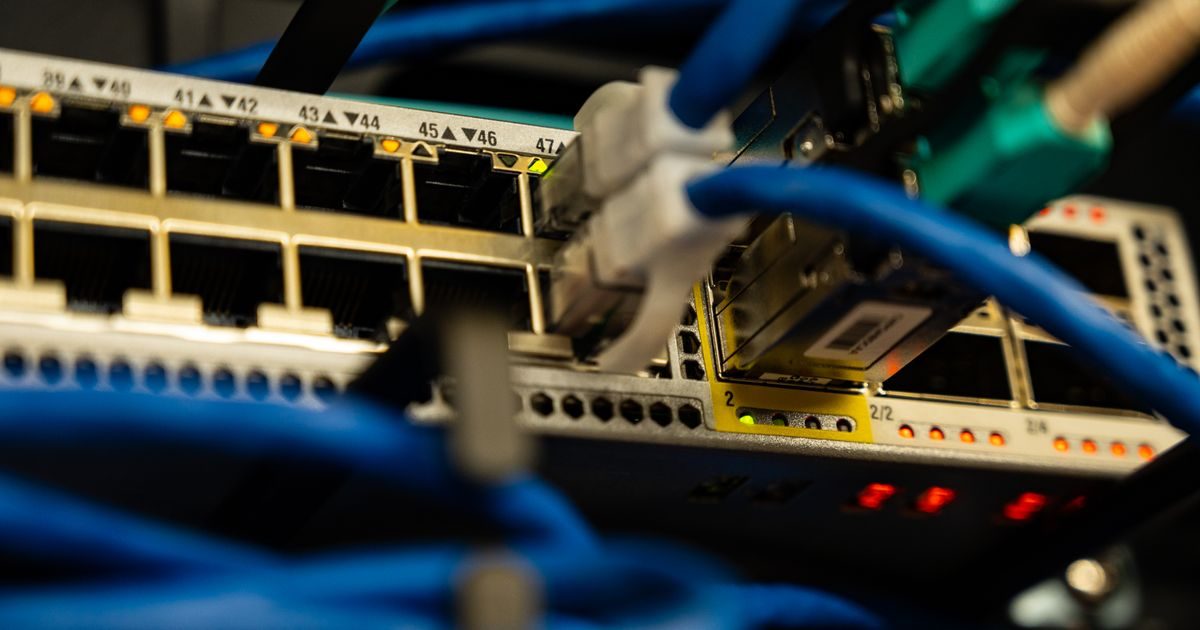
A game server is a physical machine or virtual instance that acts as the central authority for a multiplayer match: it receives each player's actions, calculates the state of the game world, and sends the results back to all participants in real time — with latencies measured in milliseconds.
Without a game server, modern multiplayer simply doesn't exist. Understanding how one works helps you choose the right type based on the game, the number of players, and your budget.
How a Game Server Works Under the Hood
A game server runs an instance of the game engine without a graphical interface (headless mode). Its work cycle is continuous:
- Input reception: each client sends its actions (movement, shooting, building) to the server via UDP or TCP packets.
- Logic simulation: the server applies game rules, resolves collisions, calculates damage, and updates the global state.
- Synchronization: the server sends the updated game state to all clients, which render it on screen.
This cycle repeats between 20 and 128 times per second — these are called «ticks». The higher the tick rate, the smoother and more precise the gameplay experience — and the more CPU the server consumes.
The Role of Latency (Ping)
The physical distance between a player and the server determines ping: the round-trip time of a network packet. A ping above 100 ms creates noticeable lag in action games or shooters. That's why datacenter location matters just as much as hardware specs.
Types of Game Servers
There is no single type of game server. The architecture varies by title and business model:
Dedicated Server
An entire physical machine devoted to running the game server. It offers the highest performance and lowest latency, but also the highest cost. This is the standard for competitive shooters (Counter-Strike, Valorant), MMORPGs, and simulation games with large simultaneous player counts.
VPS for Gaming
A virtual private server with guaranteed resources. Ideal for mid-size communities: Minecraft, Rust, ARK, or Valheim servers with 10–50 players. Cost is far lower than a dedicated server, and performance is sufficient for most indie and survival games. Learn more about this infrastructure in our VPS servers section.
P2P (Peer-to-Peer) Server
In some games, one of the players acts as the host. There is no central infrastructure: the host's machine processes the game logic for everyone else. It's cost-free but gives the host a latency advantage, and if they disconnect, the match ends. Common in older games and some console titles.
Cloud Server
Large studios use cloud infrastructure (AWS GameLift, Google Cloud, Azure PlayFab) to dynamically scale thousands of instances based on demand. This powers Fortnite, Apex Legends, and Call of Duty: Warzone. Cost adjusts to actual usage, but technical complexity is much higher.
Matchmaking Server
Many modern games combine a central matchmaking backend with dedicated or cloud servers for the actual matches. Players never manually enter a server IP — an algorithm connects them to the nearest available node with open slots.
Key Resources a Game Server Needs
| Resource | Why It Matters | Rough Reference |
|---|---|---|
| CPU (clock speed) | Processes simulation per tick; one fast core beats many slow ones | ≥3.5 GHz per game instance |
| RAM | Holds the map and player states in memory | 2–8 GB depending on the title |
| Bandwidth | Each player generates constant packet traffic | 100 Mbps minimum for ≤50 players |
| Network latency | Determines player ping | <20 ms to the nearest datacenter |
| Storage (NVMe/SSD) | Map loading and persistent world saves | SSD required; NVMe preferred |
How to Choose the Right Game Server
The choice comes down to three variables:
- Concurrent player count: under 20 → basic VPS; 20–100 → mid-range VPS or entry-level dedicated; over 100 → powerful dedicated server or cloud.
- Game type: a Minecraft Survival server demands far less CPU than a Counter-Strike server running at 128 tick rate.
- World persistence: games with saved worlds (ARK, Rust) need fast storage and automated backups.
If you need help sizing your gaming infrastructure, the team at elenlace.com can help you configure the right server for your game and community.
Key Takeaways
- A game server handles the logic and real-time synchronization of multiplayer matches.
- Tick rate and latency are the metrics that most impact gameplay experience.
- There are four main types: dedicated, VPS, P2P, and cloud — each with distinct trade-offs.
- High CPU clock speed matters more than core count for most gaming workloads.
- The geographic location of the datacenter directly affects your players' ping.
Ready to set up your own game server? Explore VPS and dedicated server options at elenlace.com and find the infrastructure your community deserves, with technical support included.
FAQ
How much RAM do I need for a Minecraft server?
For a vanilla server with up to 10 players, 2 GB of RAM is sufficient. If you're running heavy modpacks (Feed The Beast, All The Mods) or expect more than 20 simultaneous players, start with 4–6 GB and adjust based on real usage. The largest modpacks can require 8 GB or more.
Is a dedicated server or a VPS better for gaming?
For communities of up to 50 players, a quality VPS is usually sufficient and significantly more affordable. A dedicated server makes sense when the game requires high tick rate (128 Hz), you have more than 80–100 simultaneous players, or you need to run multiple server instances on the same hardware.
What is tick rate and why does it matter?
Tick rate is the number of times per second the server updates the game state. At 64 ticks, each update occurs every ~15 ms; at 128 ticks, every ~7 ms. In competitive shooters, a higher tick rate reduces shot registration lag and improves perceived precision. For strategy or survival games, 20–30 ticks are more than enough.
Can I use my home PC as a game server?
Technically yes, but it comes with real limitations: your home IP may change, upstream bandwidth is often limited, and if you shut the machine down or experience a power outage, the server goes down. For a serious community, a VPS or dedicated server in a datacenter is always the more stable and professional choice.
Useful resources
Other providers and guides worth comparing: