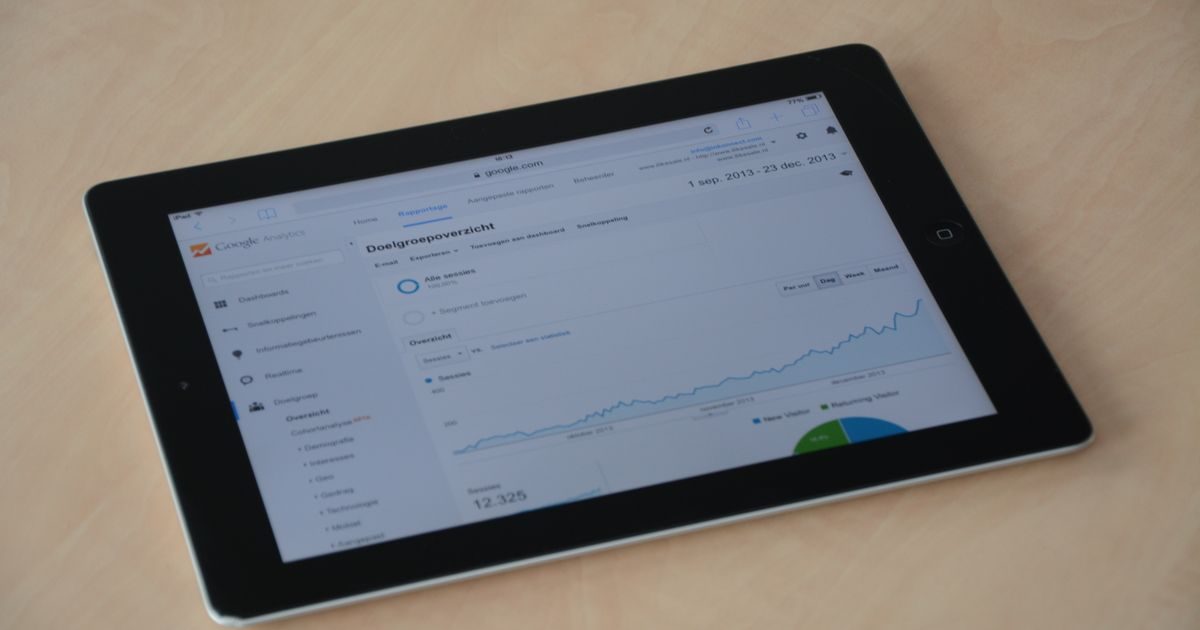
Core Web Vitals are the three user-experience metrics Google has used as a direct ranking signal since 2021. For an online store in Guadalajara, failing these metrics means appearing lower in search results and losing customers who abandon your site before buying.
This guide explains what they are, how to measure them for your store, and what specific fixes apply to Guadalajara e-commerce in 2026.
What Are Core Web Vitals and Why Do They Matter for Your Store?
Google measures user experience quality across three dimensions:
- LCP (Largest Contentful Paint): How long does it take for the main content to appear? For a store, this is usually the featured product image or the main banner.
- INP (Interaction to Next Paint): How quickly does the site respond when a user clicks "Add to Cart" or filters products?
- CLS (Cumulative Layout Shift): Do elements move around while the page loads? A button that shifts just as a user is about to click creates frustration and drives abandonment.
For e-commerce, these metrics are directly tied to conversion. A Google study showed that improving LCP from 4 seconds to 2 seconds can reduce page abandonment by up to 24%. In Guadalajara, where e-commerce grew over 30% between 2022 and 2025, that difference translates directly to revenue.
Current Benchmarks: Where Should Your Store Stand?
| Metric | Good ✓ | Needs Improvement | Poor ✗ |
|---|---|---|---|
| LCP | < 2.5 s | 2.5–4 s | > 4 s |
| INP | < 200 ms | 200–500 ms | > 500 ms |
| CLS | < 0.1 | 0.1–0.25 | > 0.25 |
The goal for a competitive store is green across all three metrics, on both desktop and mobile. Mobile standards are harder to reach because connections are variable and device hardware is more constrained.
Real Cases: Guadalajara Online Stores
Case 1: Designer clothing boutique (Chapalita neighborhood)
An online boutique used uncompressed product images averaging 2.4 MB each, plus a heavy JavaScript carousel. Their mobile LCP was 7.2 seconds and CLS was 0.44. After converting images to WebP, removing the carousel, and replacing it with a static image with a link, LCP dropped to 1.9 s and CLS to 0.05. Mobile sales grew 35% in 45 days.
Case 2: Electronics store (B2B and B2C operation)
An electronics company with over 800 products had an INP of 780 ms because the category filter ran a synchronous JavaScript search that blocked the main thread. Migrating the filters to asynchronous operations and deferring non-critical scripts brought INP down to 145 ms. The percentage of users who completed a purchase after using the filter increased by 19%.
Case 3: Artisan and regional products (shipping across Mexico)
A Jalisco crafts e-commerce had a CLS of 0.31 due to Google Ads loading without defined dimensions, pushing content down the page. Defining fixed sizes for ad spaces resolved the CLS without removing the ads. The bounce rate dropped by 14 percentage points.
How to Measure Your Store's Core Web Vitals Today
Free tools
- PageSpeed Insights: Test your homepage URL, a category page, and a product page. All three matter.
- Google Search Console: The "Page Experience" section shows real user data (not simulated), grouped by URL.
- Chrome DevTools: The Lighthouse tab generates a full report with specific diagnostics.
Which pages to audit first
For an online store, the priority order is: product page → category page → cart → checkout. The homepage matters for brand perception, but the biggest conversion impact is on product pages.
Specific Fixes for E-Commerce in Guadalajara
To improve LCP
- Use the
loading="eager"andfetchpriority="high"attributes on the main product image so the browser prioritizes it. - Compress all images to WebP. For large catalogs, automate this with tools like ImageOptim or your platform's built-in options.
- Choose hosting with servers in Mexico or a CDN with nodes in Guadalajara or Mexico City. Baseline latency matters.
To improve INP
- Defer third-party scripts (analytics, live chat, conversion pixels) using
deferorasync. - Break up heavy JavaScript into smaller tasks to avoid blocking the main thread.
- If you use WooCommerce or Shopify, count how many plugins or apps are running JavaScript on the frontend.
To improve CLS
- Always define
widthandheightattributes on all images. - Reserve space for ads, dynamic banners, and third-party widgets before they load.
- Avoid injecting content above existing content after the page has loaded.
If your store runs on WooCommerce, the team at elenlace.com offers e-commerce-focused performance audits that pinpoint the specific bottlenecks for your platform.
For more articles on web performance and speed, visit our web performance section.
Common Platforms in Guadalajara: Which Has Better Core Web Vitals Out of the Box?
| Platform | Baseline LCP (mobile) | Baseline CLS | Technical control |
|---|---|---|---|
| Shopify (basic theme) | ~2.8 s | ~0.08 | Medium |
| WooCommerce (optimized) | ~2.0 s | ~0.05 | High |
| WooCommerce (unoptimized) | ~5–8 s | ~0.3+ | High |
| Tienda Nube | ~3.2 s | ~0.12 | Low |
| Custom site (well-built) | ~1.4 s | < 0.05 | Full |
WooCommerce has the widest variance: it can be the best or the worst platform depending on configuration. If your store is on WooCommerce and Core Web Vitals are in the red, the fix is almost always hosting, plugins, and images — not the platform itself.
Key Takeaways
- Core Web Vitals (LCP, INP, CLS) directly affect your store's Google rankings and conversion rate.
- Unoptimized images are the most common cause of high LCP in e-commerce.
- Slow INP usually comes from heavy JavaScript in third-party plugins or apps.
- CLS is fixed by setting dimensions on images and reserving space for dynamic content.
- Audit product and category pages first — not just your homepage.
- Hosting with infrastructure in Mexico reduces baseline TTFB and improves all metrics.
Want to know exactly what's holding your online store back? Request a Core Web Vitals audit at elenlace.com and get a specific diagnosis for your platform and business.
FAQ
Do Core Web Vitals directly affect my sales, or only my SEO?
Both. At the SEO level, they influence Google rankings. At the business level, LCP and INP directly affect conversion rate — a faster, more responsive site generates more purchases. Both effects are measurable and well-documented.
How often should I check my store's Core Web Vitals?
Ideally monthly, or after any significant site change (new theme, new plugins, redesign). Google Search Console shows historical trends that help identify when a problem appeared.
My store is on Shopify — can I still improve Core Web Vitals?
Yes, though with some limitations. On Shopify you can optimize images, choose a lighter theme, limit third-party apps, and configure deferred script loading. Full code control is restricted, but significant improvements are possible within the platform.
How long does it take to see Core Web Vitals improvements after making changes?
PageSpeed Insights and Lighthouse show changes immediately (they're lab tests). Real user data in Google Search Console takes 28–35 days to reflect improvements, because Google averages data over that period. Ranking changes in search results can take 2–8 weeks to appear.
Compare providers
Other providers and guides worth comparing: